How to Do:
1. Setup:
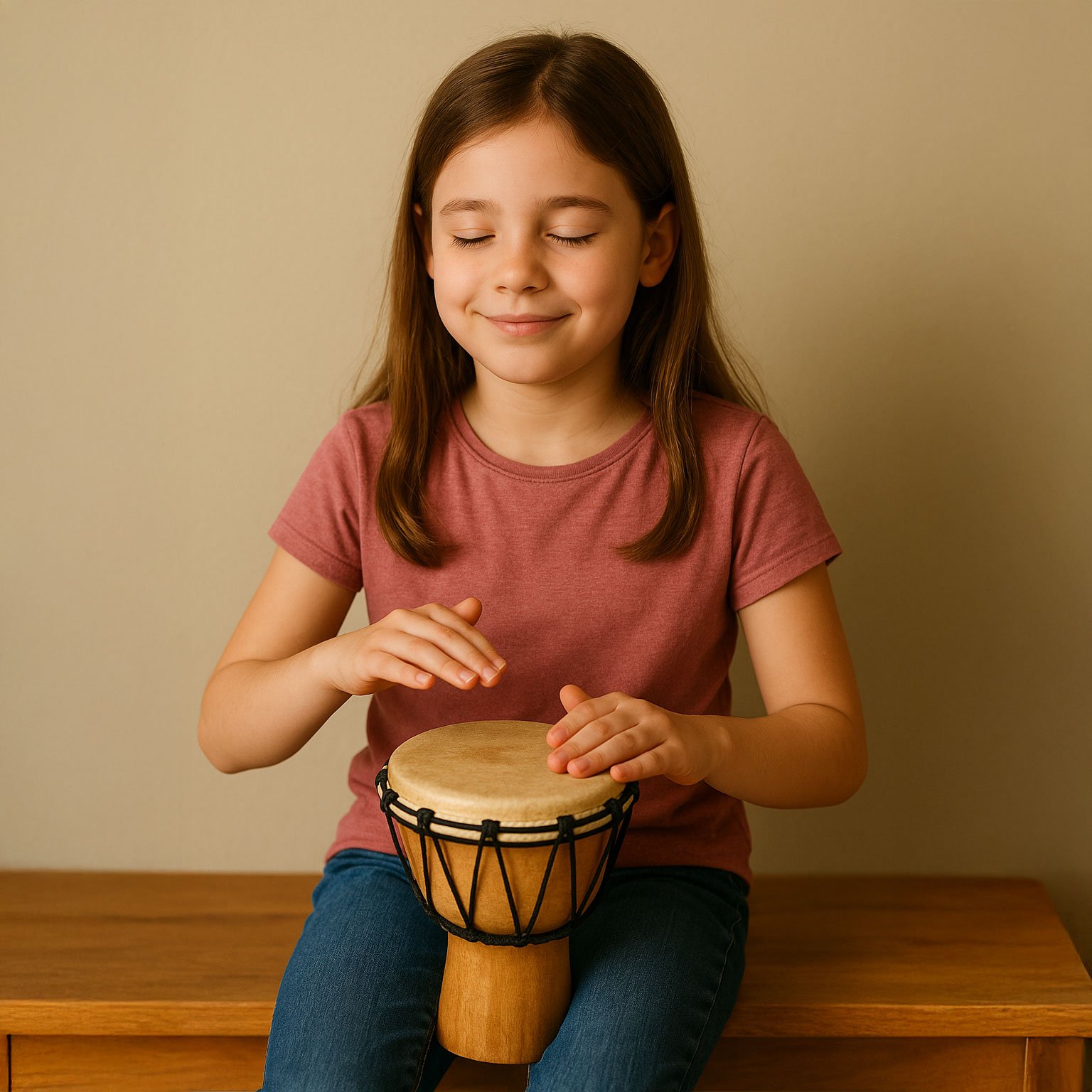
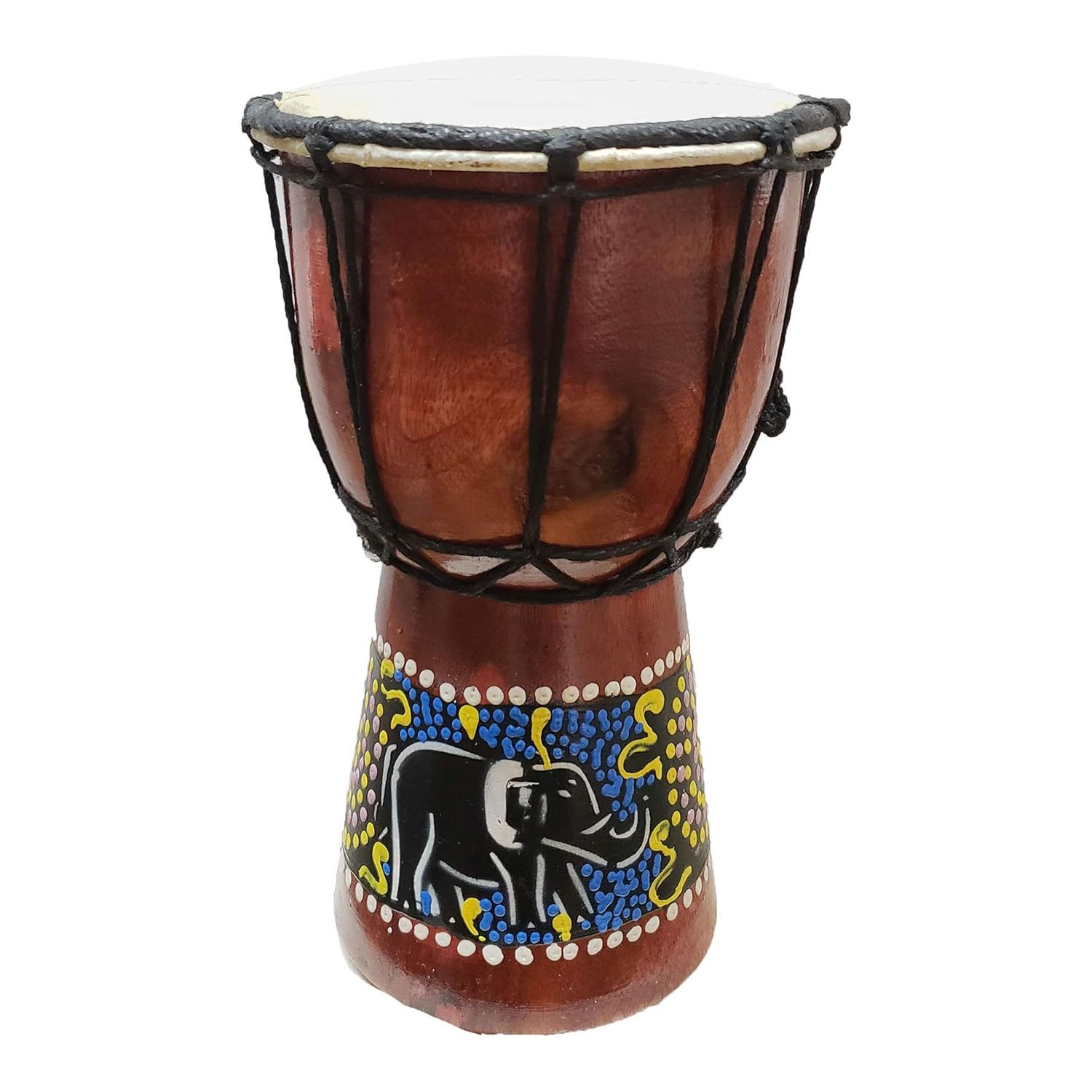
- The Helper and Child sit facing each other with the drum or chosen surface placed between them.
- Ensure the area is quiet and distraction-free for focused drumming practice.
2. Activity Steps:
Step 1: Single Beat Patterns
- The Helper demonstrates a 1-beat rhythm using a variety of styles:
– Regular beat, short/swift beat, soft beat, or hard beat.
– Use 1 finger, 2 fingers, or the whole hand.
- The Child imitates the beat.
- Repeat this step 5-10 times, alternating between Left and Right hands.
Step 2: Two-Beat Patterns
- The Helper demonstrates a 2-beat rhythm using a mix of styles:
– Example patterns: Soft-Hard, Short-Regular, Soft (1 finger)-Hard (Full hand).
- The Child imitates the rhythm.
- Repeat this step 5-10 times, alternating between Left and Right hands and varying the beats.
Step 3: Three-Beat Patterns
- The Helper demonstrates a 3-beat rhythm using creative combinations:
- Example patterns:
– Full Hand: Soft-Hard-Short
– Short-Regular-Soft (2 fingers)
– Soft (1 finger)-Hard (Full hand)-Fist
- The Child imitates the rhythm.
- Repeat this step 5-10 times, alternating hands and mixing up the type of beats.
3. Duration:
- Continue the activity for 5-10 minutes or as long as the Child remains engaged.
4. Variations:
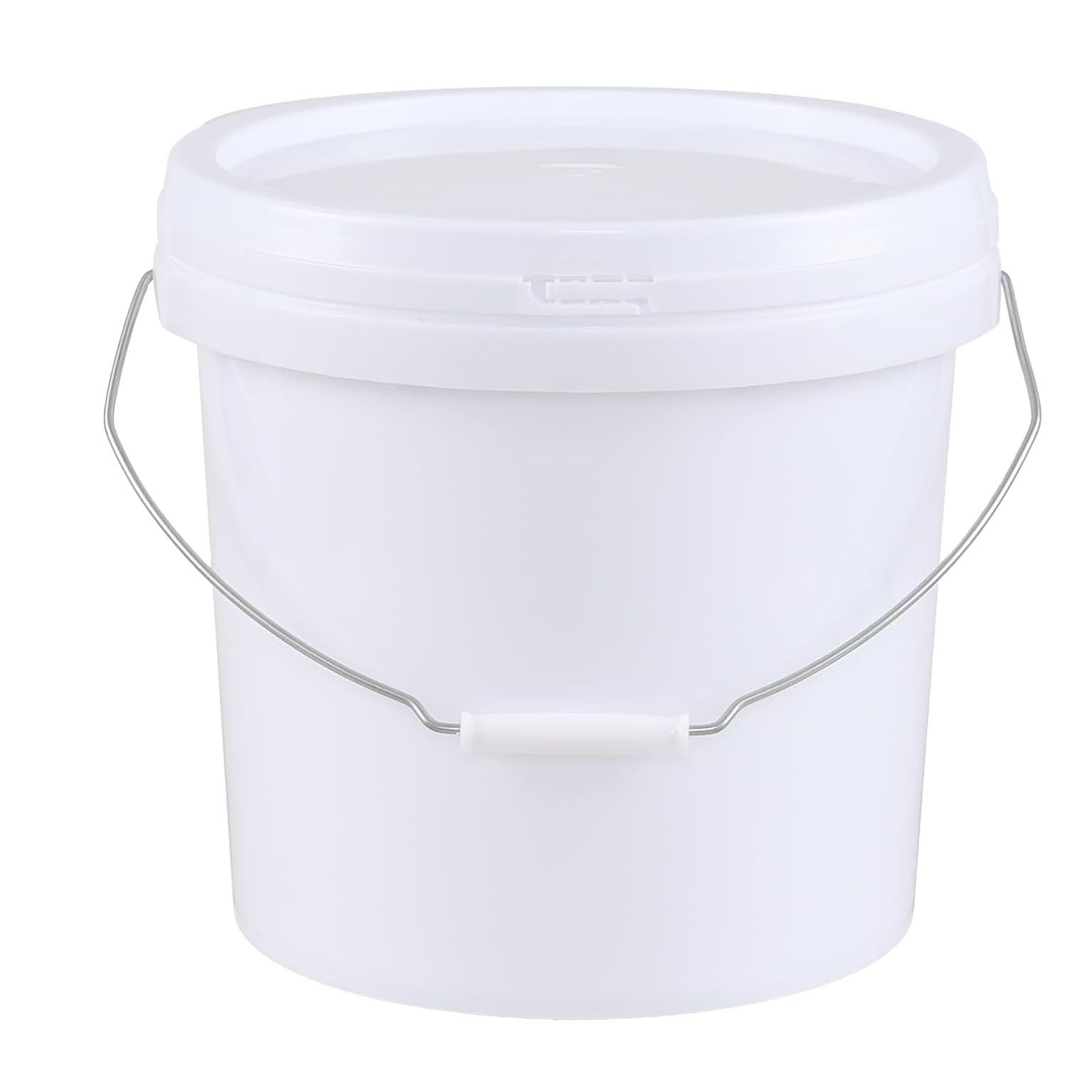
- Use different drum surfaces (e.g., bucket, plastic container with a lid) for unique sounds.
- Incorporate drumming cards with sample patterns for the Child to follow independently.
Tips for Success:
- Start with simple patterns and gradually increase complexity.
- Offer encouragement and praise to build confidence.
- Adjust the speed and intensity based on the Child’s comfort and focus level.
Materials Needed:
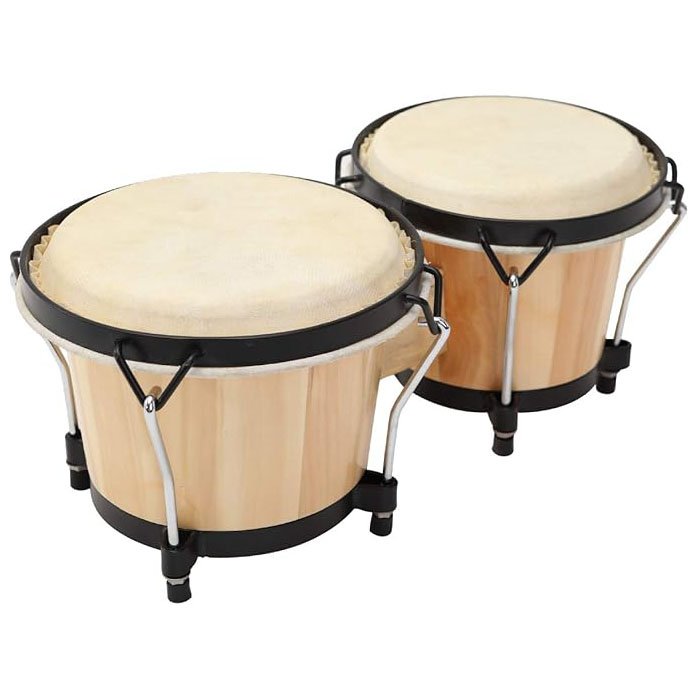
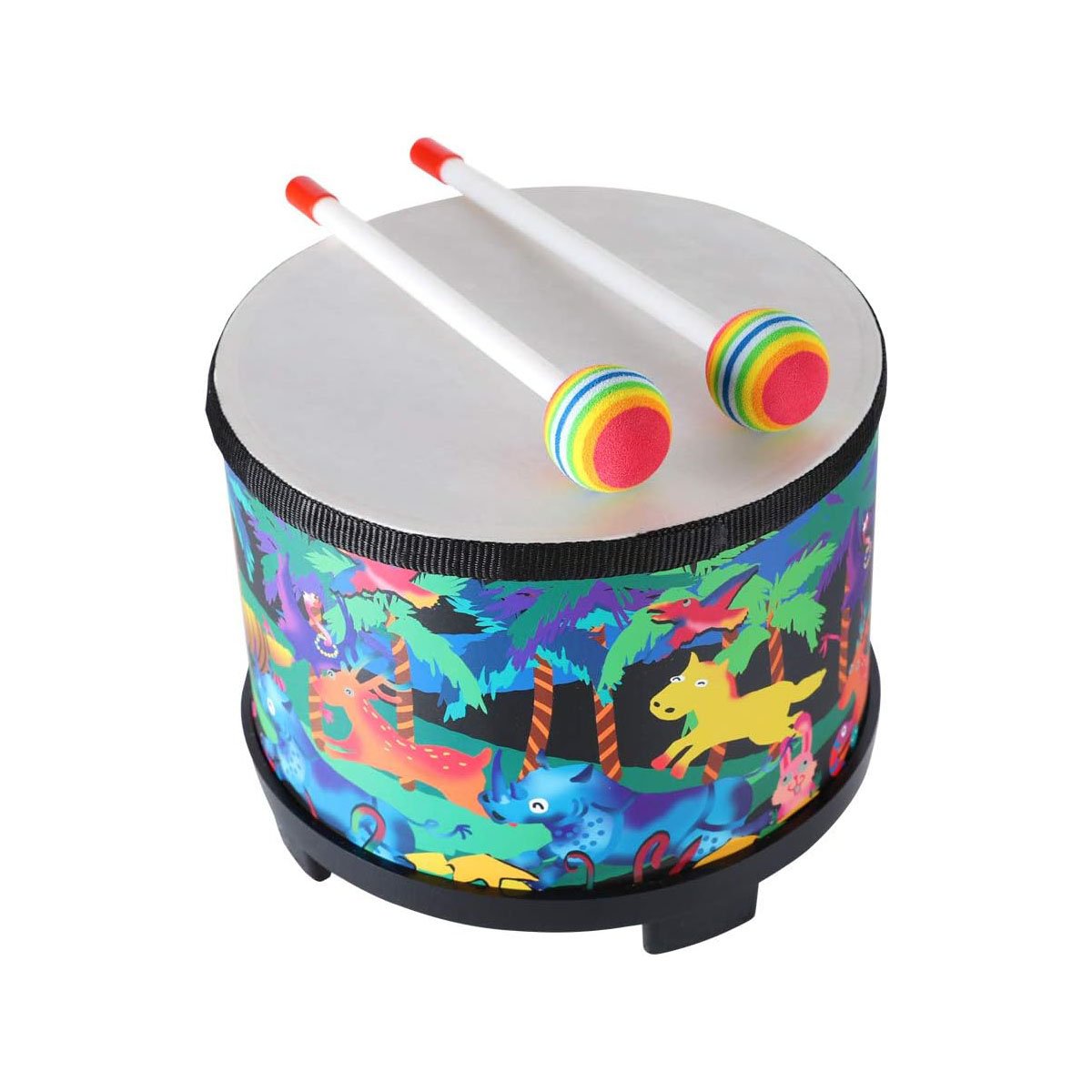
- Floor Drum or Bongo
- Plastic Container with Lid
- Bucket
- Drumming Sample Card