Prepare a clean, protected workspace (use a table covered with a plastic sheet or newspaper).
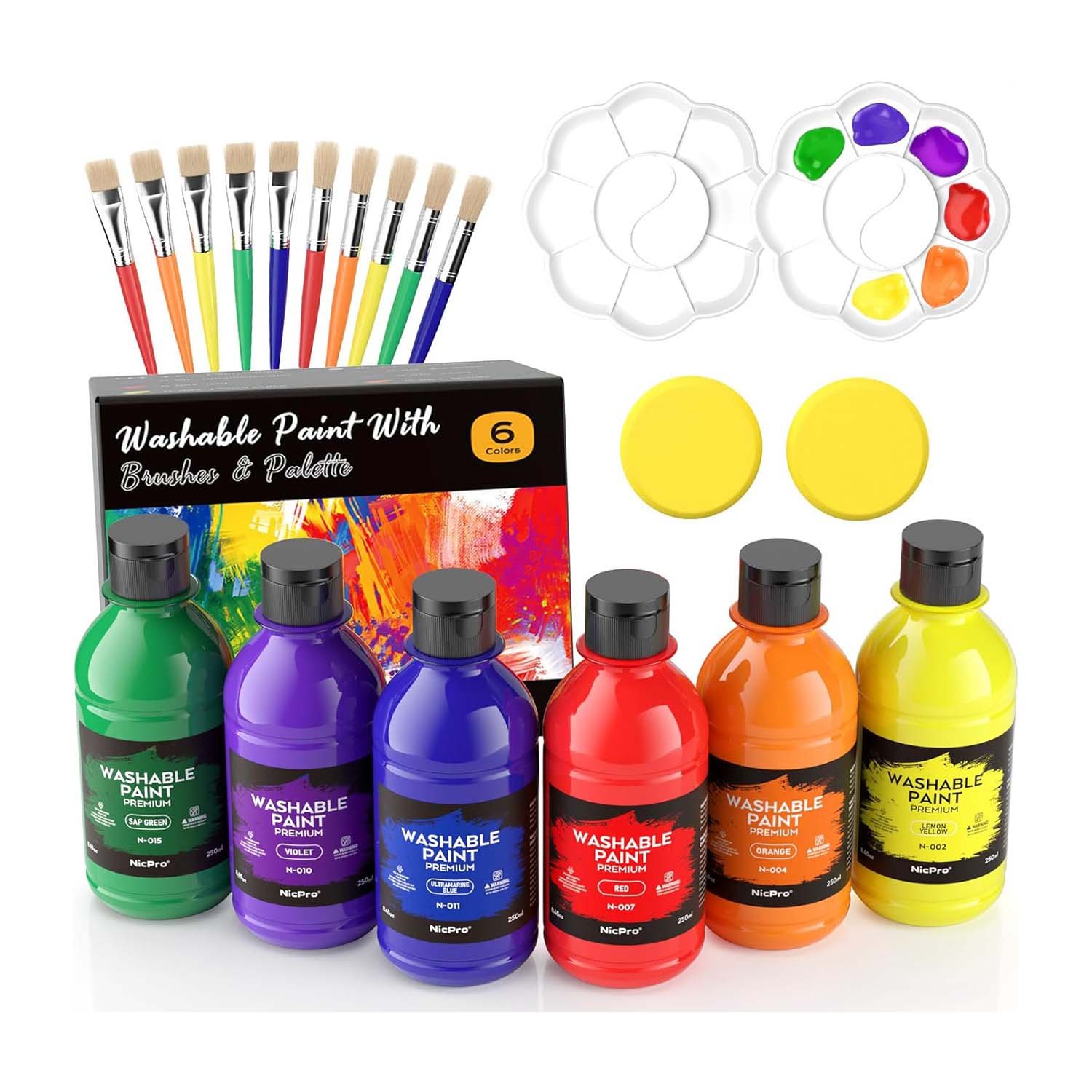
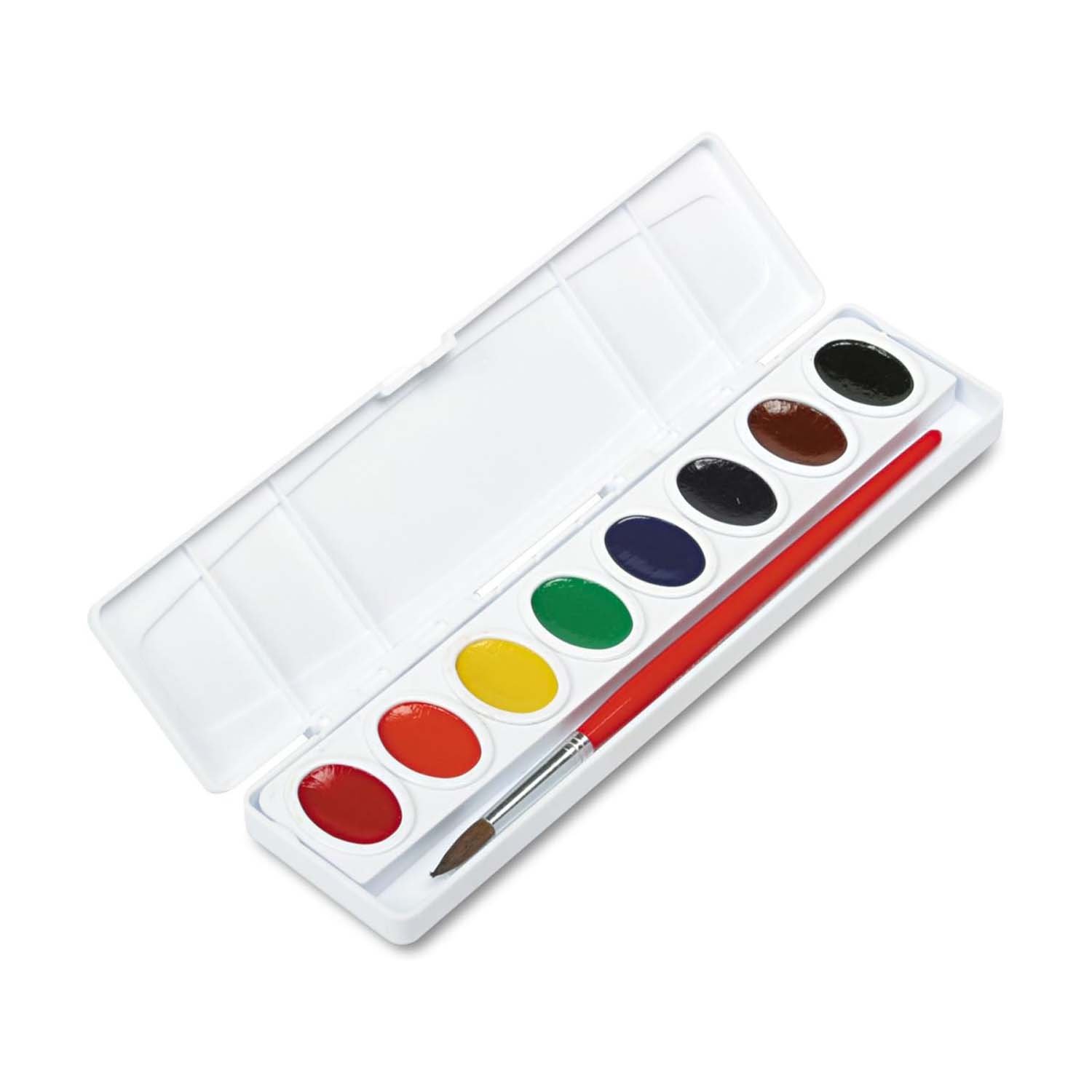
Arrange watercolor paints, paper, large markers, and painting tools (sponges, feathers, brushes, etc.) for easy access.
Ensure the Child is comfortably seated and wearing an apron or old clothing to prevent messes.
2. Activity Steps:
Part 1: Drawing and Imitation
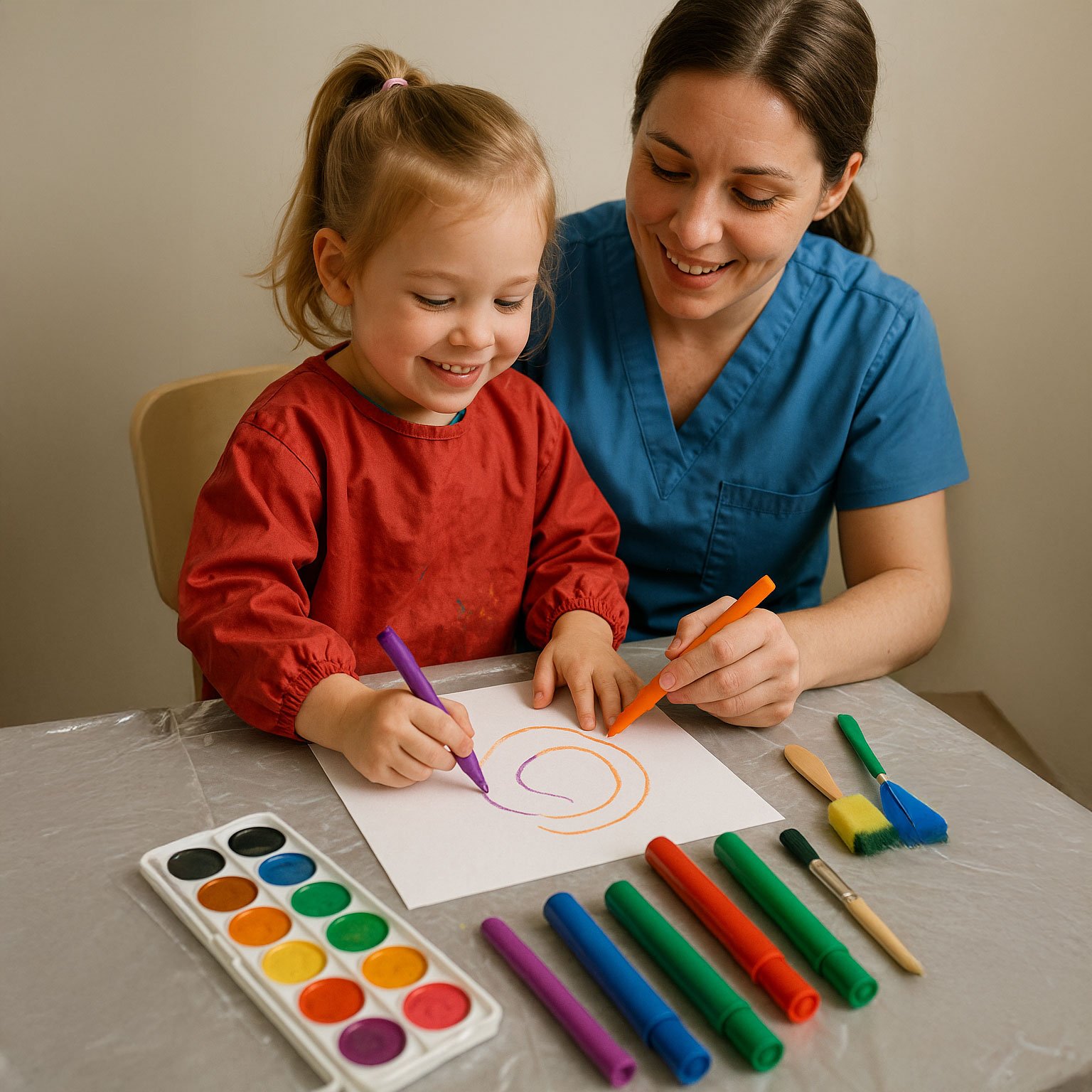
– The Helper draws a simple shape or freestyle scribble design on the paper.
– The Child imitates the Helper’s design using markers or crayons.
– Take turns creating shapes or designs for each other to copy.
Part 2: Finger Painting Along the Lines
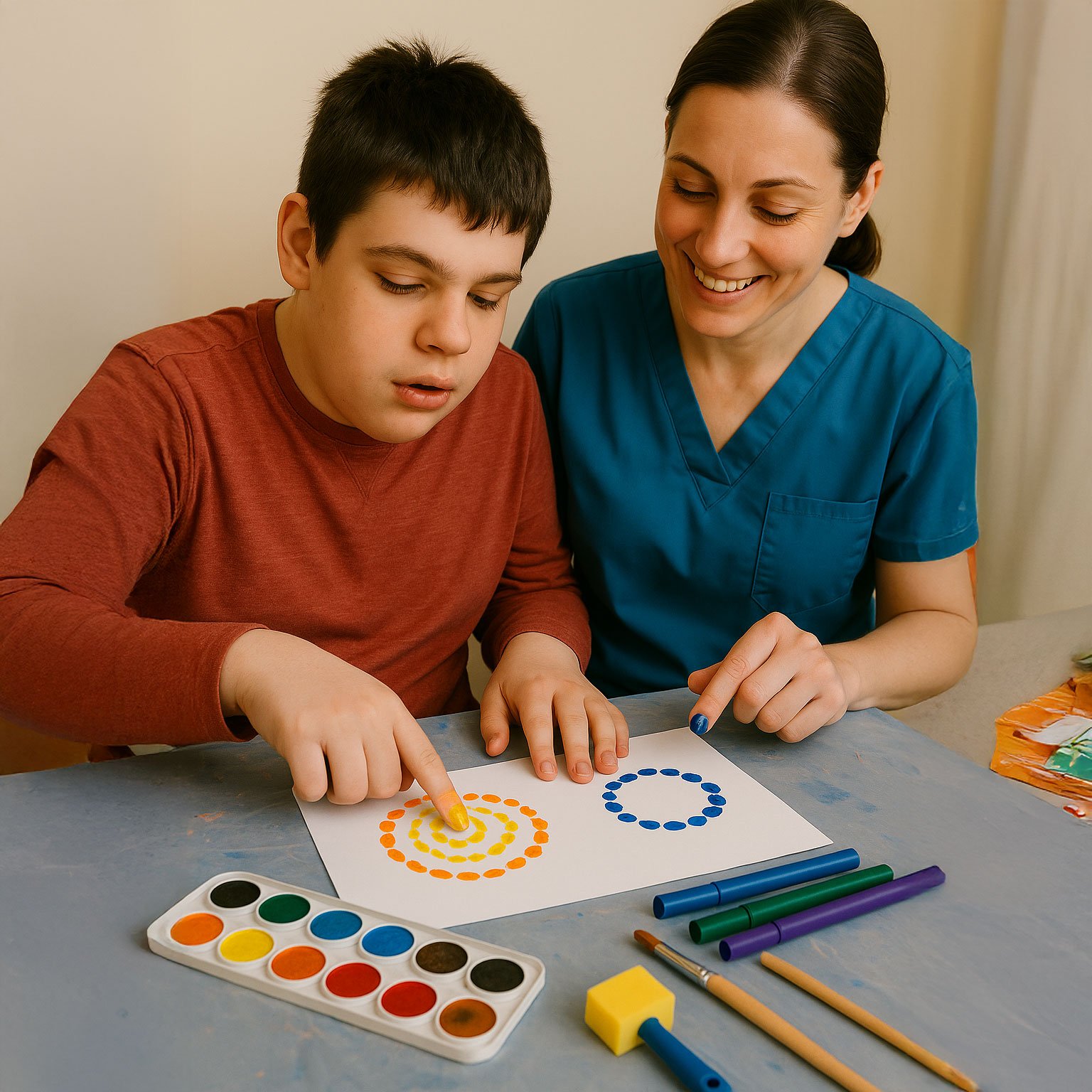
– The Helper dips a finger or thumb into a paint color and demonstrates pressing along the lines of the drawn shapes or designs.
– The Child follows, using one finger/thumb per color to press paint along the lines.
Part 3: Creative Painting with Tools
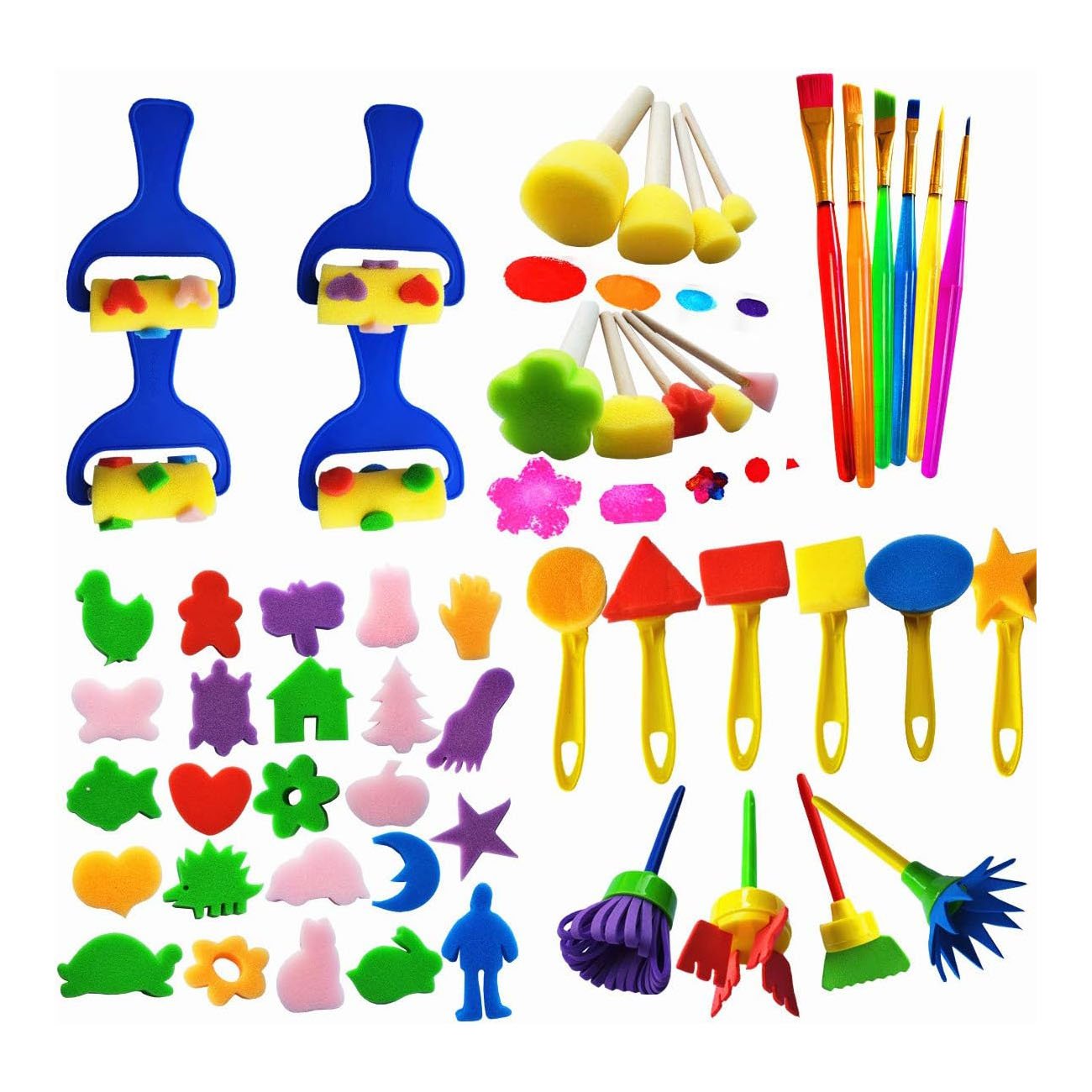
– The Helper demonstrates using sponges, feathers, large-handled brushes, or other textured tools dipped in paint to create patterns.
– Encourage the Child to experiment with different tools to make designs, textures, and shapes on the paper.
– Use cotton balls or textured fabrics to explore new effects.
3. Follow-Up Activities:
Encourage free play with paints to foster creativity.
Introduce structured activities for ages 2-5 using other resources, such as:
◦ Painting animals or nature scenes.
◦ Filling in stencils or templates.
◦ Exploring color mixing to create new shades.
Tips for Success:
Encourage the Child to explore and enjoy the process rather than focusing on the final product.
Use simple, encouraging language to guide and praise their efforts.
Adjust tools and techniques based on the Child’s comfort level and motor skills.
Keep a wet cloth or wipes handy for quick cleanups.