How to Do:
1. Setup:
To introduce the concept of rhyming, letter recognition, and basic word formation through a fun and interactive game. This activity encourages creativity while reinforcing early literacy skills.
2. Activity Steps:
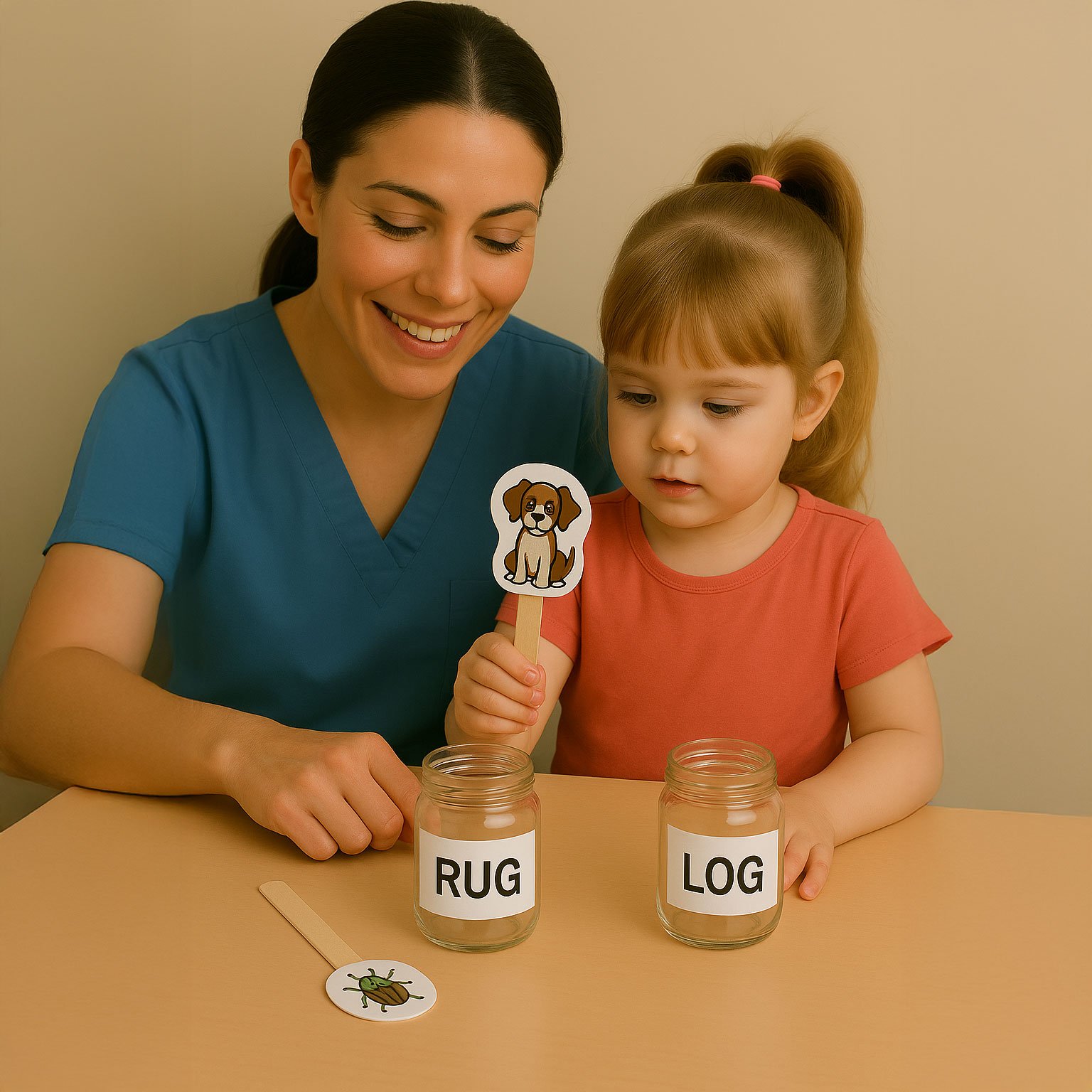
- Step 1: Rhyming Game with Jars
– Label the Jars:
◦ Label each jar with a simple rhyming word.
◦ Examples: ART, PIT, RUG.
◦ You can also use family names or familiar words to make the activity more personal.
– Create Rhyming Pictures:
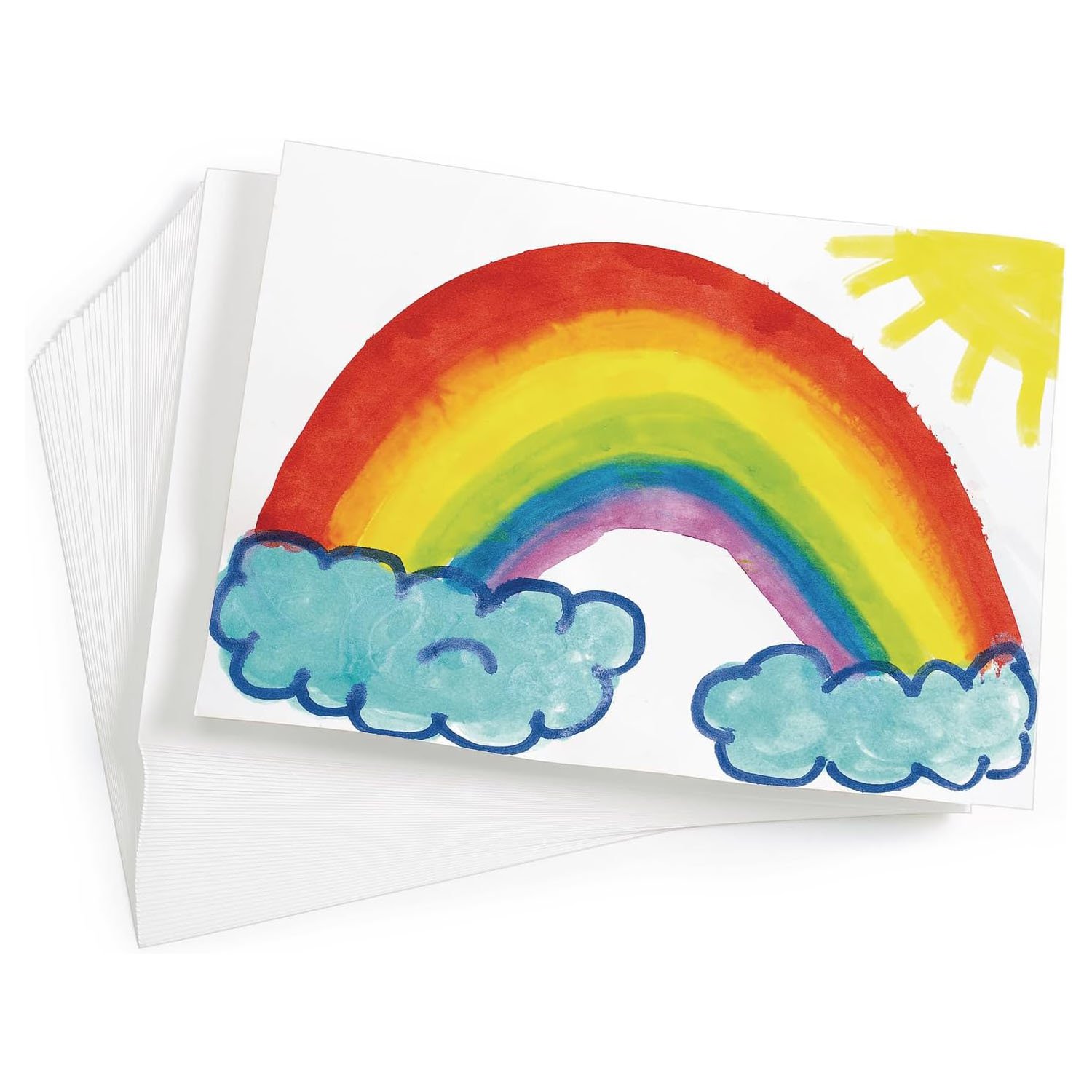
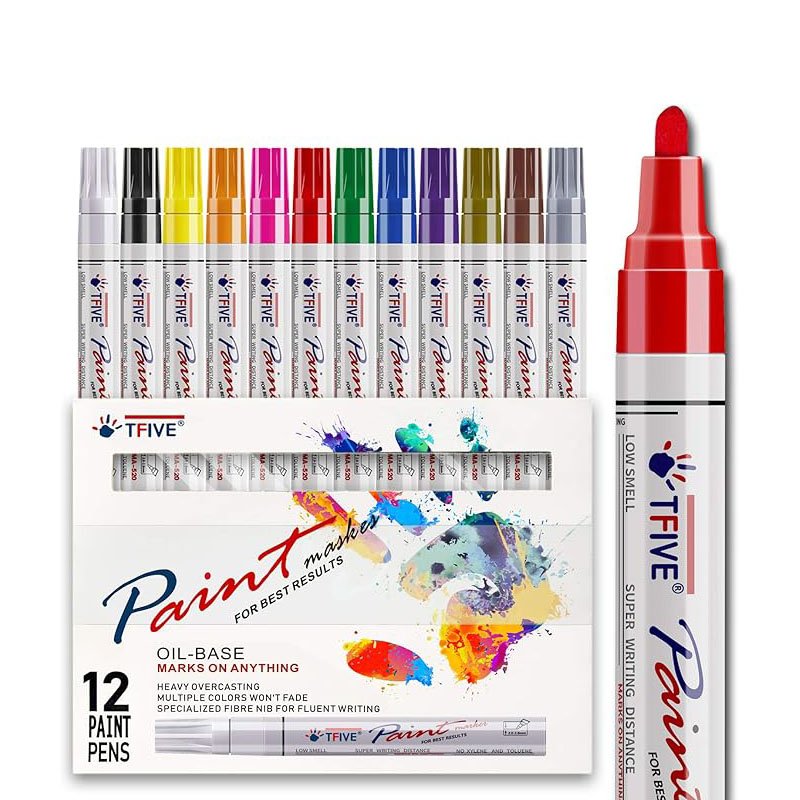
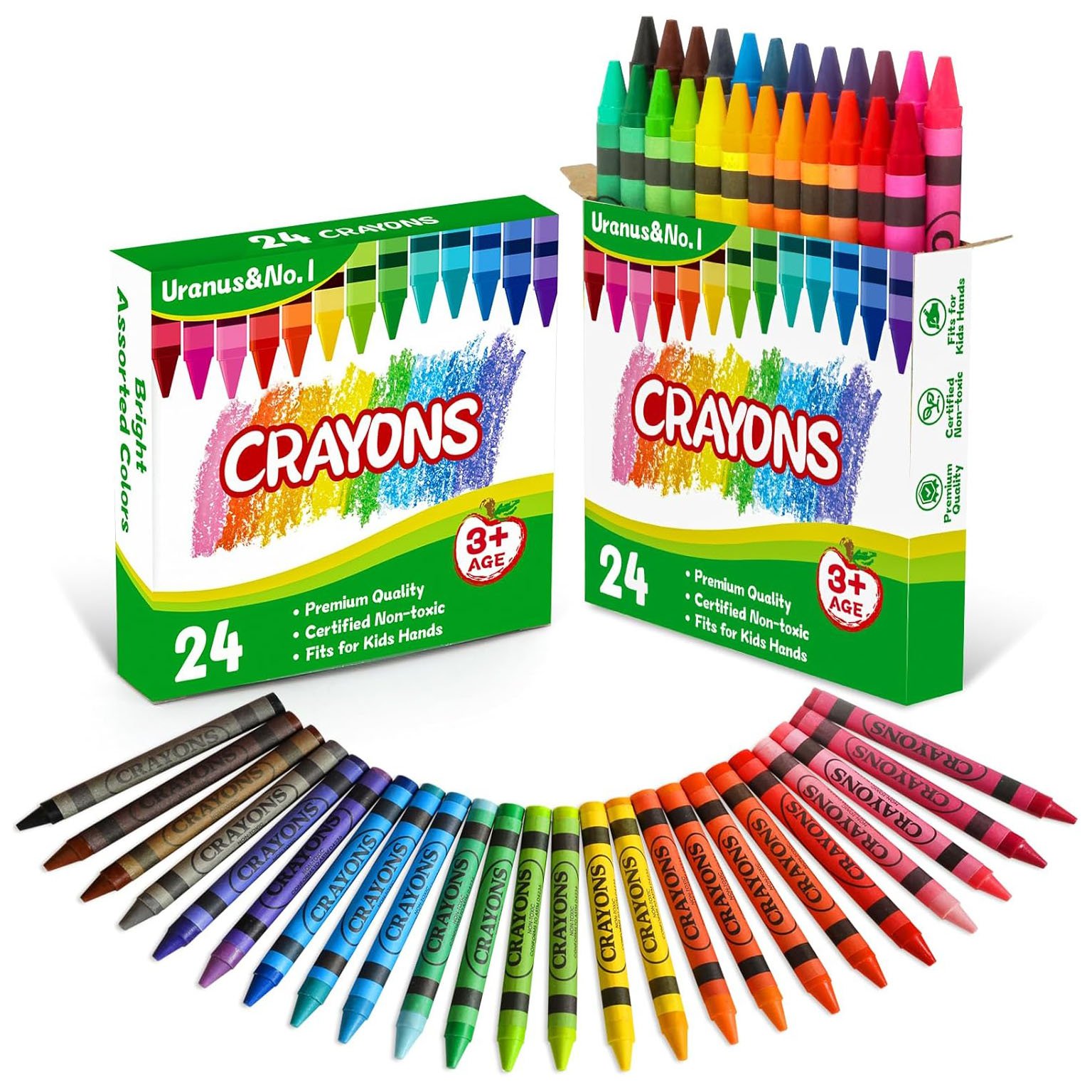
◦ Use markers or crayons to draw small pictures that rhyme with the word on each jar.
◦ For example: For “ART,” draw a “PART” (like a piece of a puzzle), “PIT” could have a “KIT,” and “RUG” could have a “BUG.”
– Prepare the Sticks:
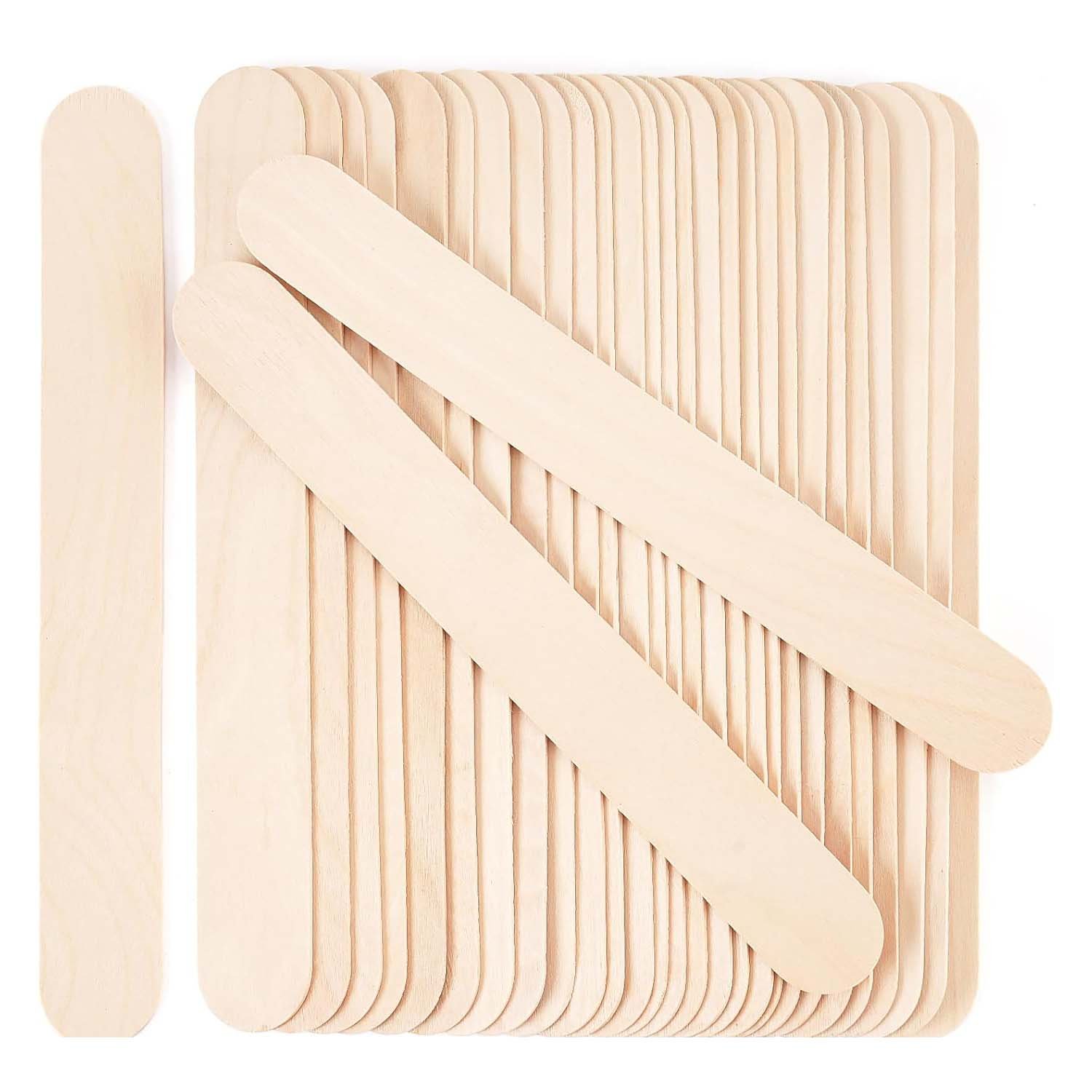
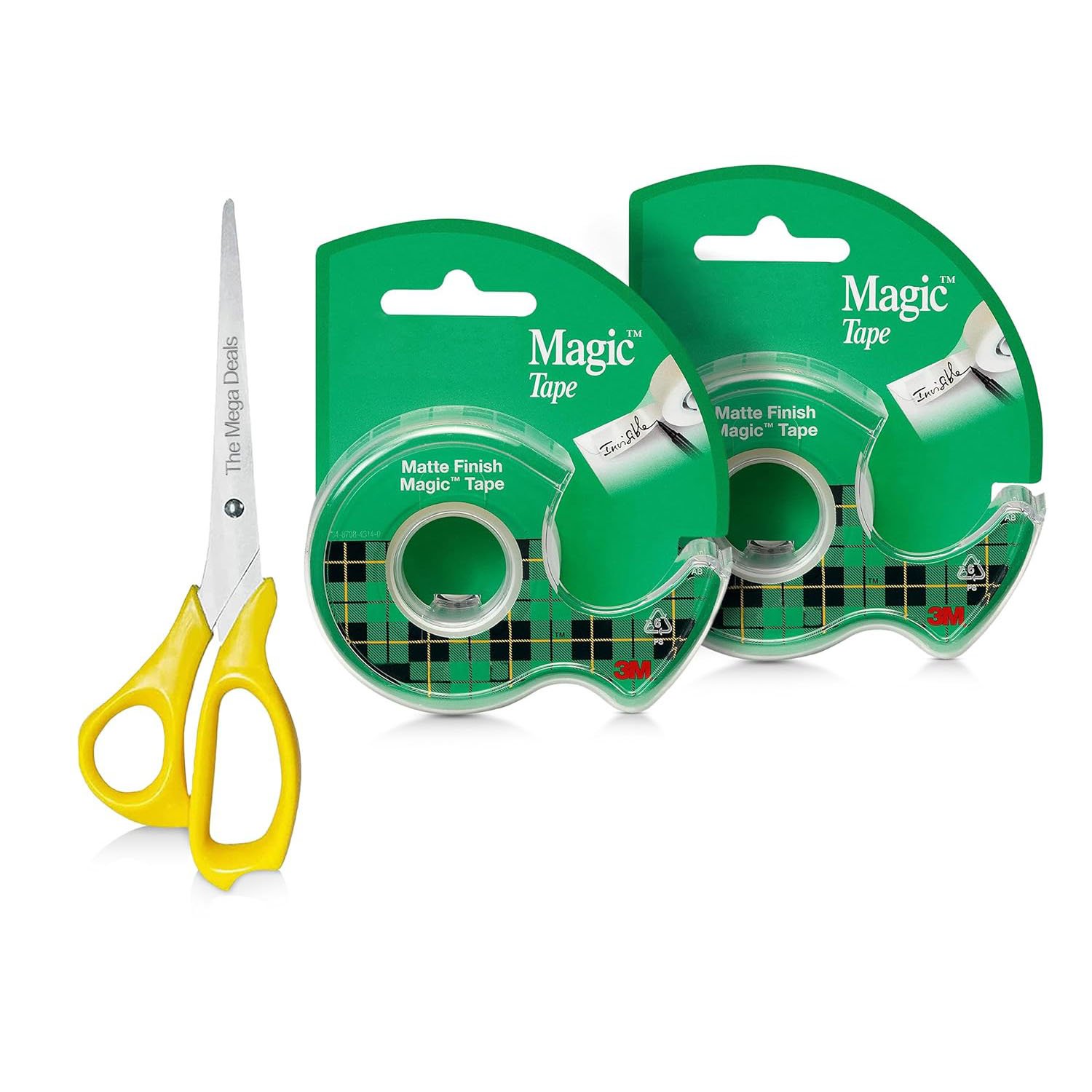
◦ Cut out the pictures, tape them to the wooden sticks.
◦ Each stick should represent a picture that rhymes with one of the jar labels.
– Game Time:
◦ Helper reads the word on the jars aloud.
◦ The child will then match the picture sticks to the correct jar by rhyming the picture to the word on the jar.
◦ For example, if the jar says “RUG,” the child should place the picture of the “BUG” in the jar.
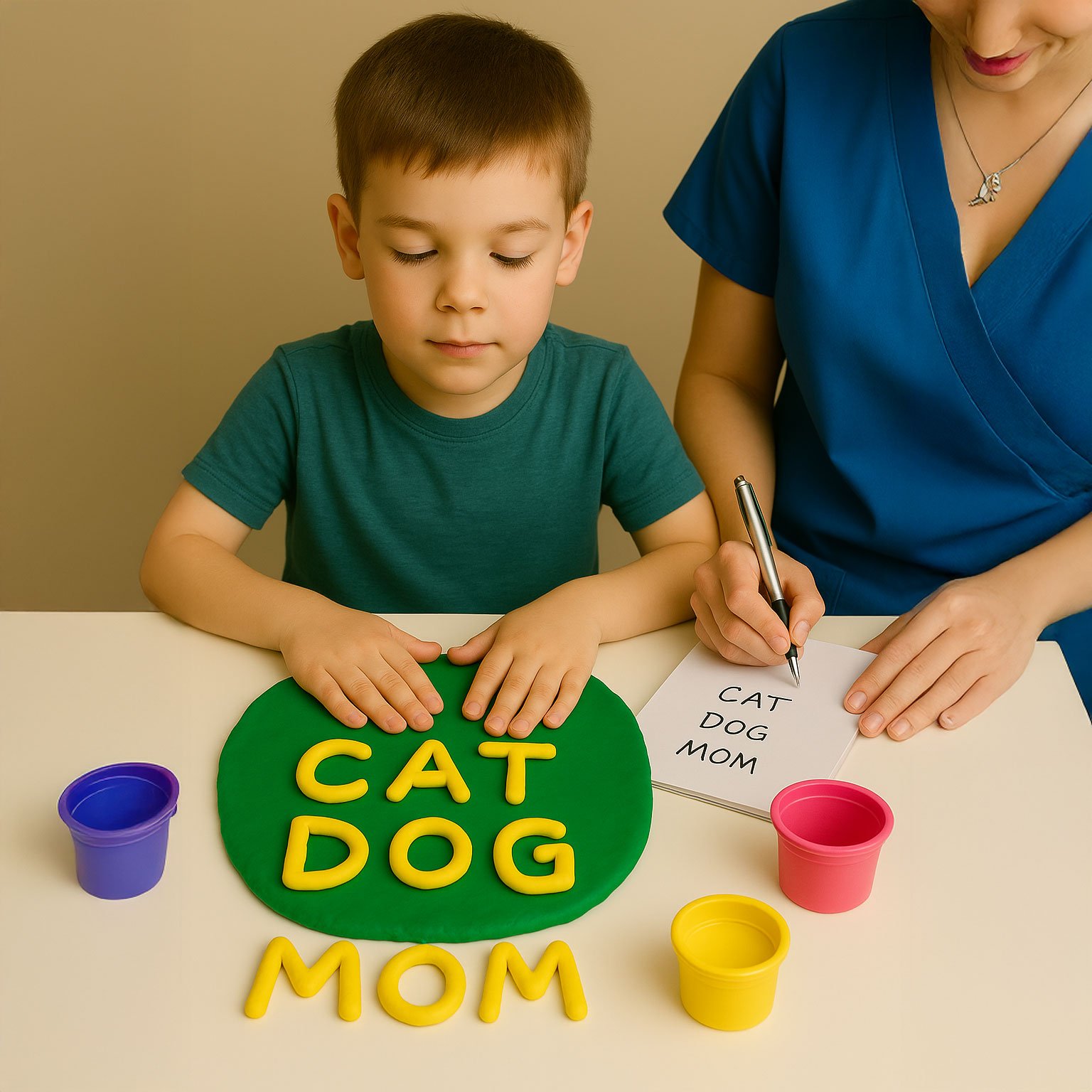
- Step 2: Play-Doh Word Building
– Write Simple Words:
◦ Write 2-3 letter words on a piece of paper or laminate. Examples: CAT, DOG, MUM.
◦ Also, you can include family members’ names to make it more engaging for the child.
– Prepare Play-Doh:
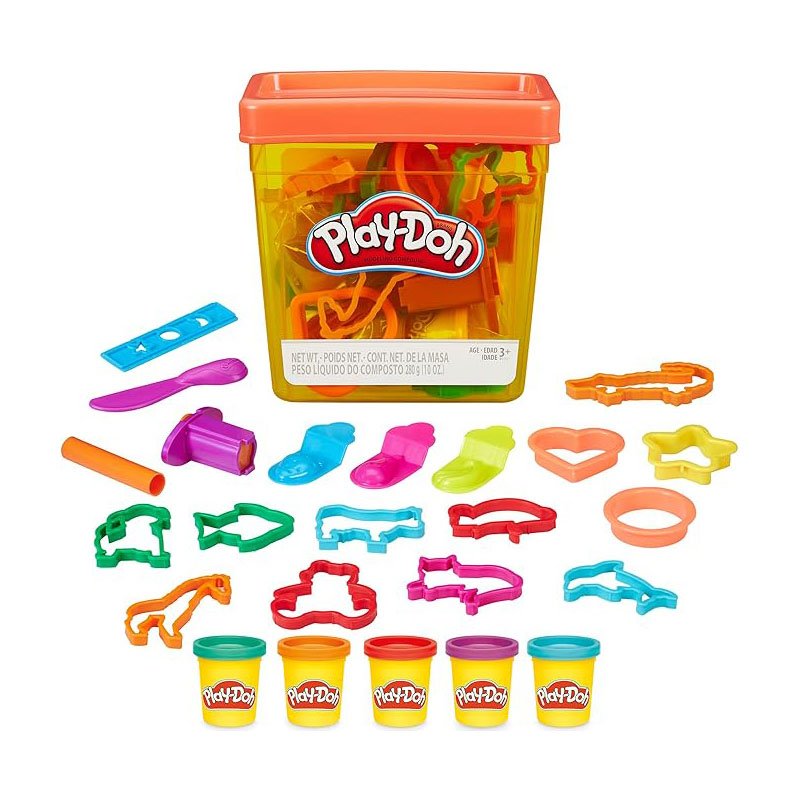
◦ Helper demonstrates how to roll out the Play-Doh into thin ropes.
◦ Use letter cutters to form the letters of the words.
– Child Participation:
◦ The child will copy the letters by rolling out Play-Doh and using the cutters to form the letters of the words written by the helper.
– Interactive Reading:
◦ Helper reads the words aloud while the child points to the corresponding pictures or letters.
◦ For example, if the word is “DUCK,” the helper says “When you hear the word ‘DUCK,’ touch the DUCK.”
- Step 3: Number Game Integration (Optional)
– Counting Challenge:
◦ As the child matches rhyming pictures or forms words with Play-Doh, count the number of correct matches.
◦ Encourage the child to keep track of how many correct answers they make, turning it into a fun number game.
3. Variations for Skill Levels:
• For Younger Children:
– Use simple rhyming words with clear, recognizable pictures.
– Focus on fewer words and jars (e.g., just 2-3 jars to start).
• For Older Children:
– Increase the complexity of the rhyming words and introduce more challenging 3-4 letter words.
– Add additional jars or expand the activity to include more words and pictures.
Tips for Success:
- Encourage Participation: Make the activity fun and interactive by asking questions and encouraging the child to repeat the words.
- Use Positive Reinforcement: Praise the child for each correct match or word formed with Play-Doh.
- Be Creative: You can adapt the game by changing the rhyming words or incorporating familiar family names and objects.
Enjoy learning with rhymes, Play-Doh, and creative play!
Materials Needed:
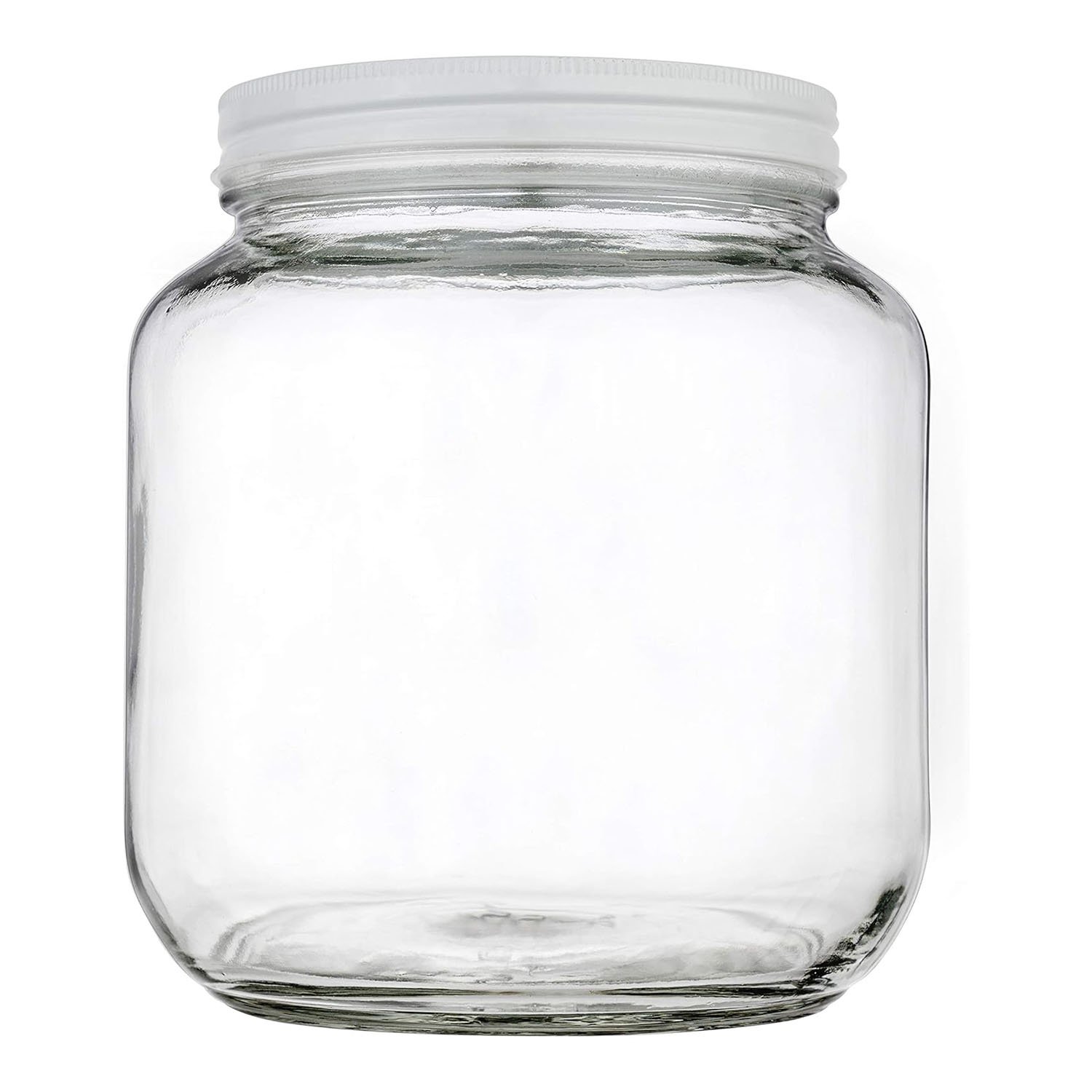
- Small jars 3-4
- 20 Wooden sticks (tongue depressors)
- Tape
- Paper
- Crayons/Markers
- Scissors
- Play-Doh and Letter Cutters