How to Do:
1. Setup:
- Gather materials:
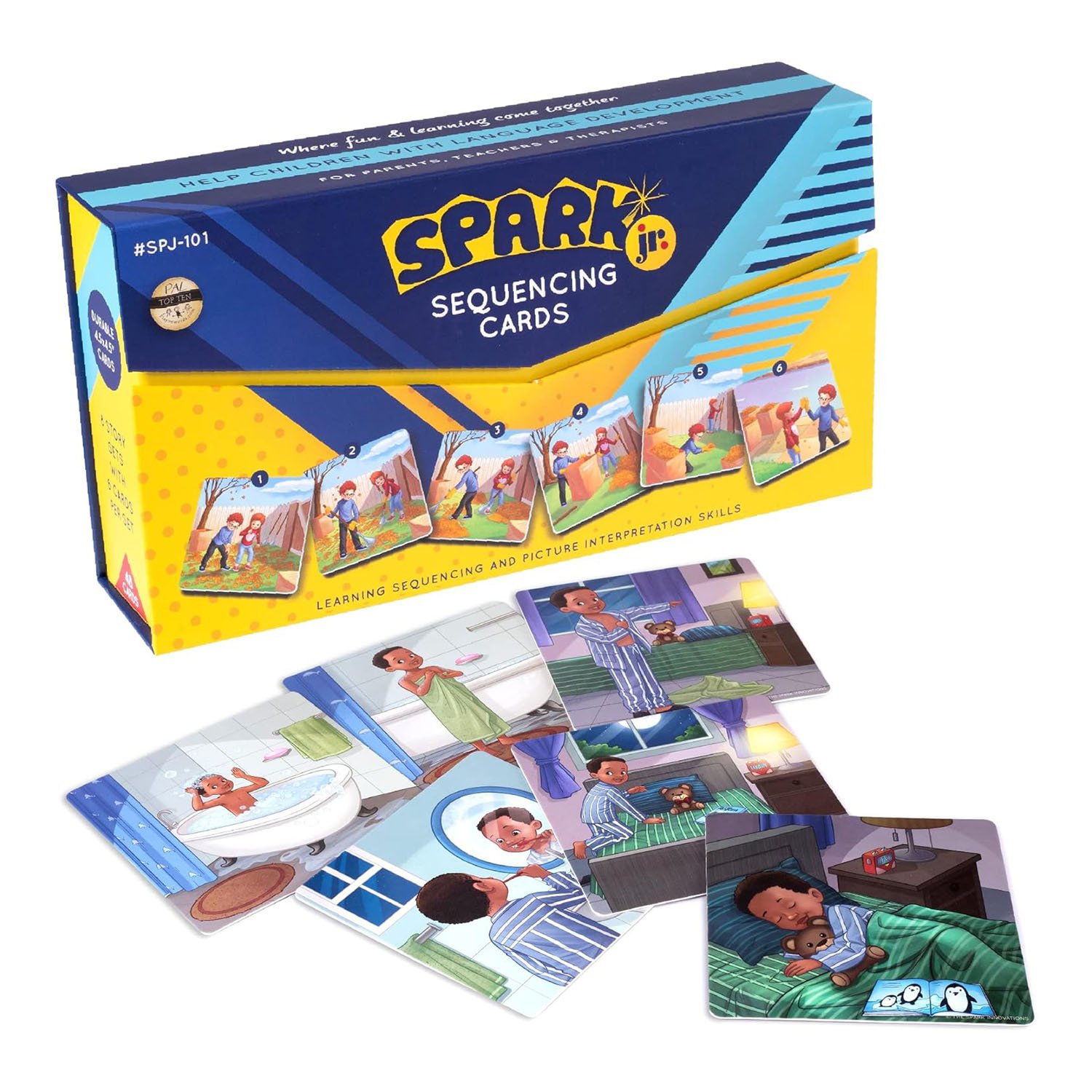
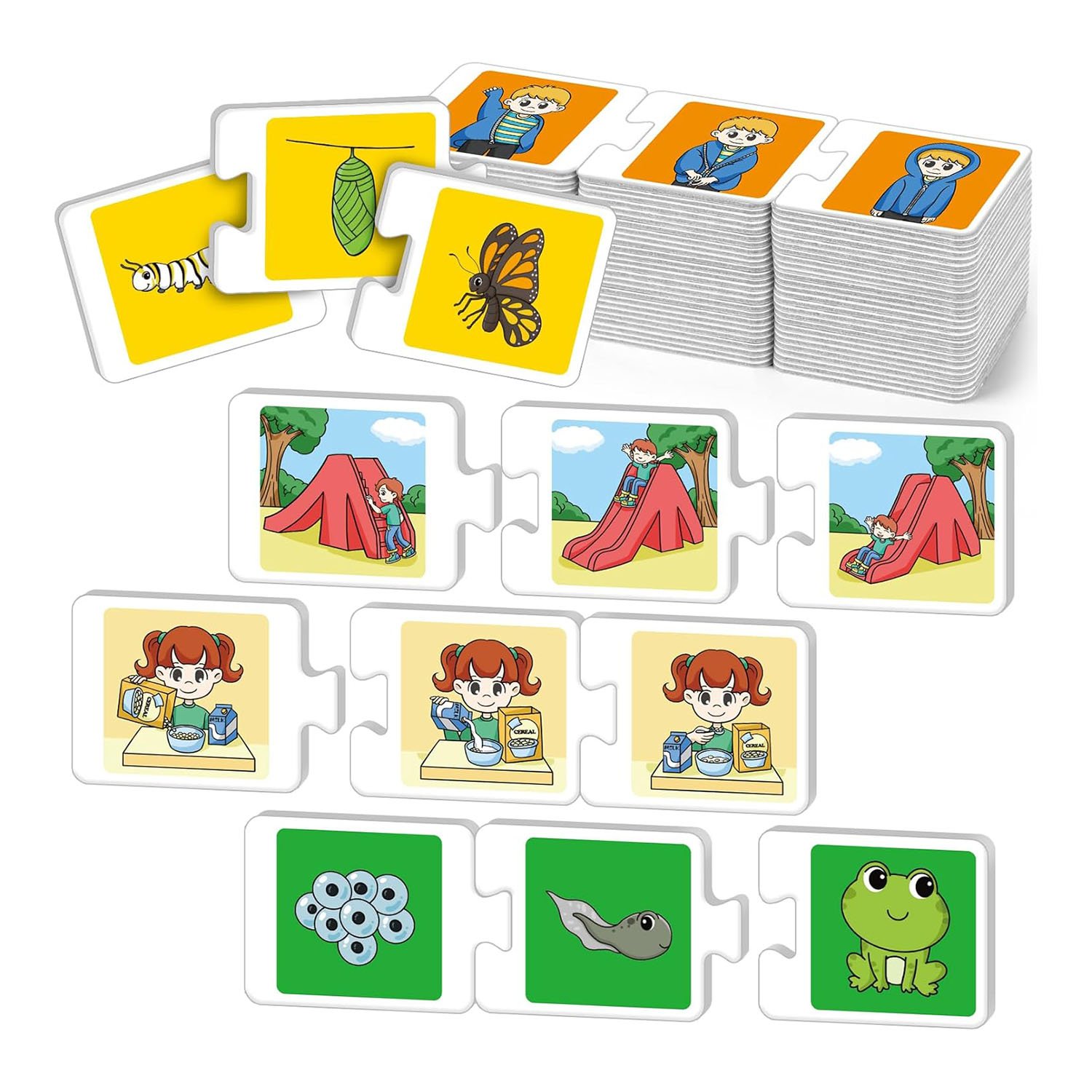
– Pictures or photographs depicting sequences.
– Sequential-sized objects (small, medium, big).
– Items for a simple snack, breakfast, or routine activity (e.g., brushing teeth).
– Free or purchased preschool sequence worksheets.
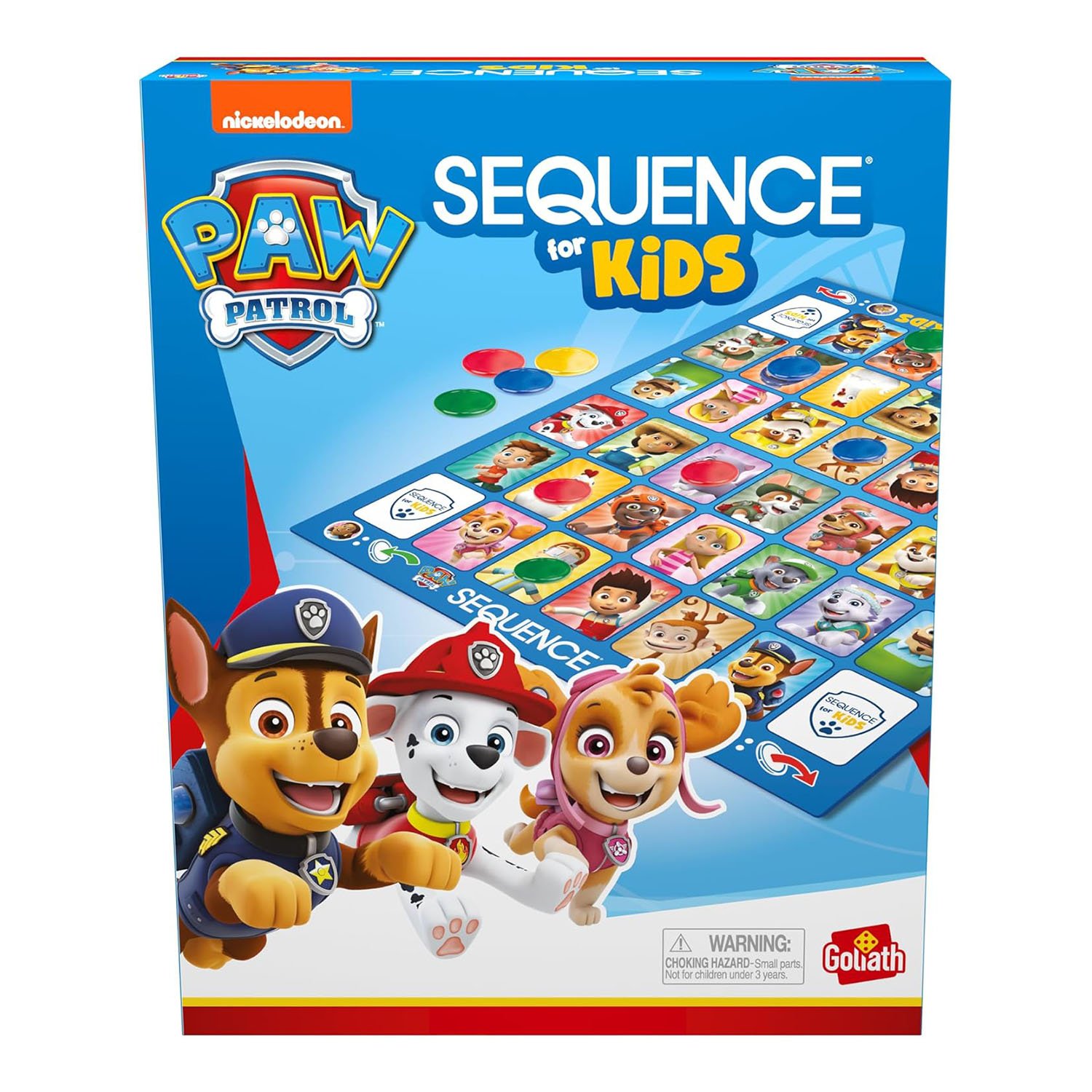
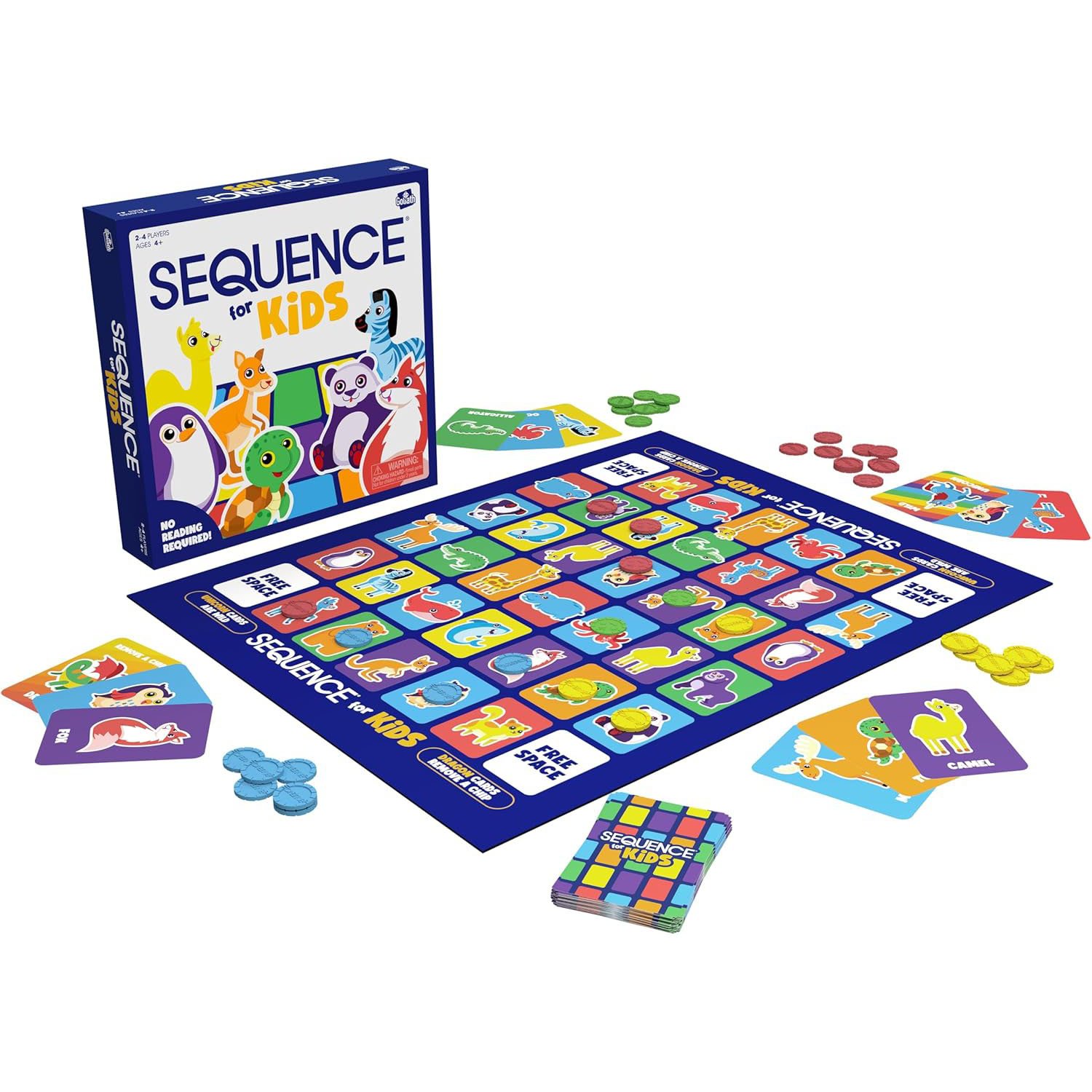
– Optional: Board games that focus on sequencing.
- Create a workspace:
– Set up a flat, organized area for the activity.
2. Carrying out activities:
- Activity 1: Sequence Objects or Pictures
– Introduce the concept:
◦ Explain the idea of “order” using examples like small to big or short to tall.
– Arrange items:
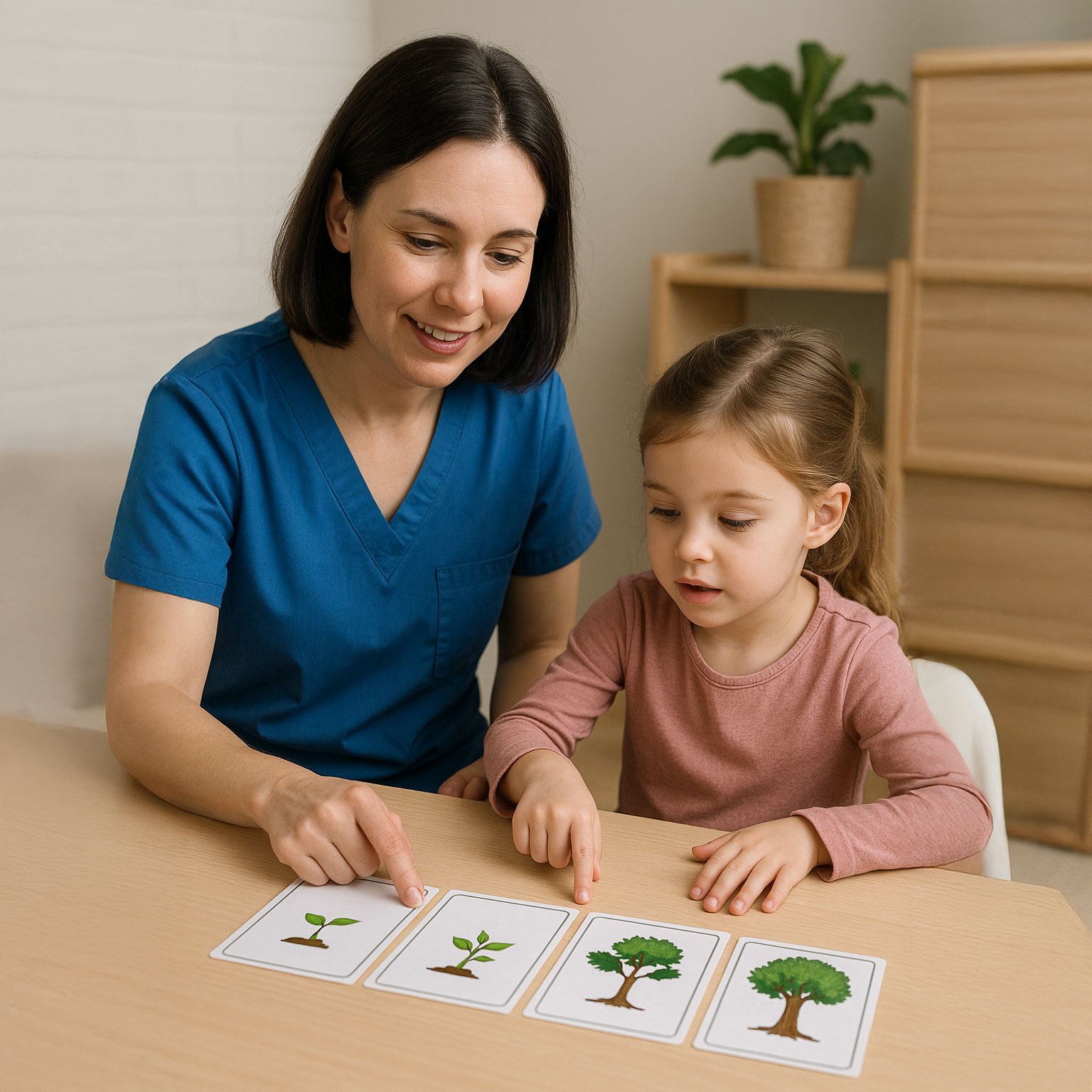
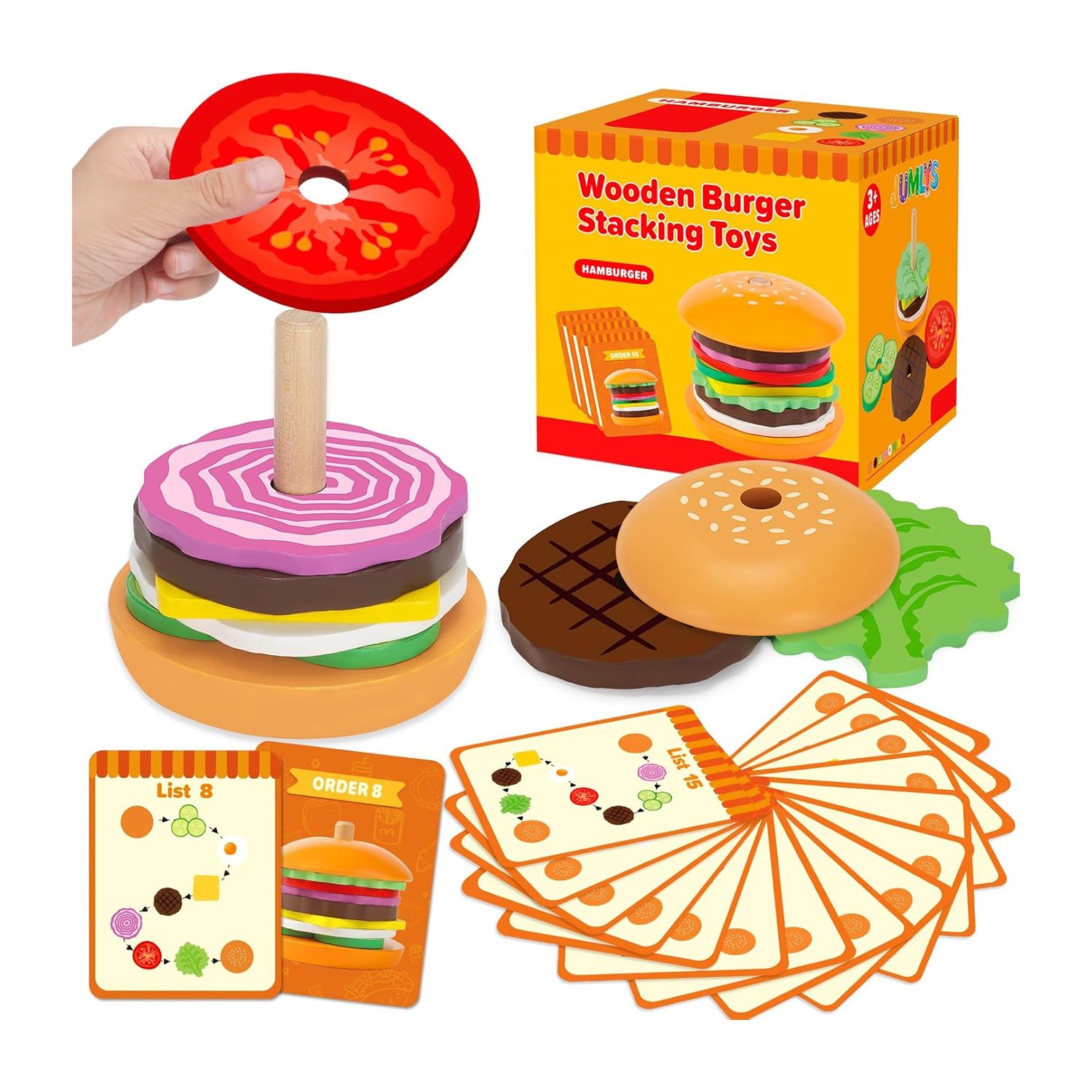
◦ Provide 3-4 objects or picture cards.
◦ Guide the child to arrange them in the correct sequence.
- Activity 2: Functional Sequencing Activities
– Demonstrate and practice:
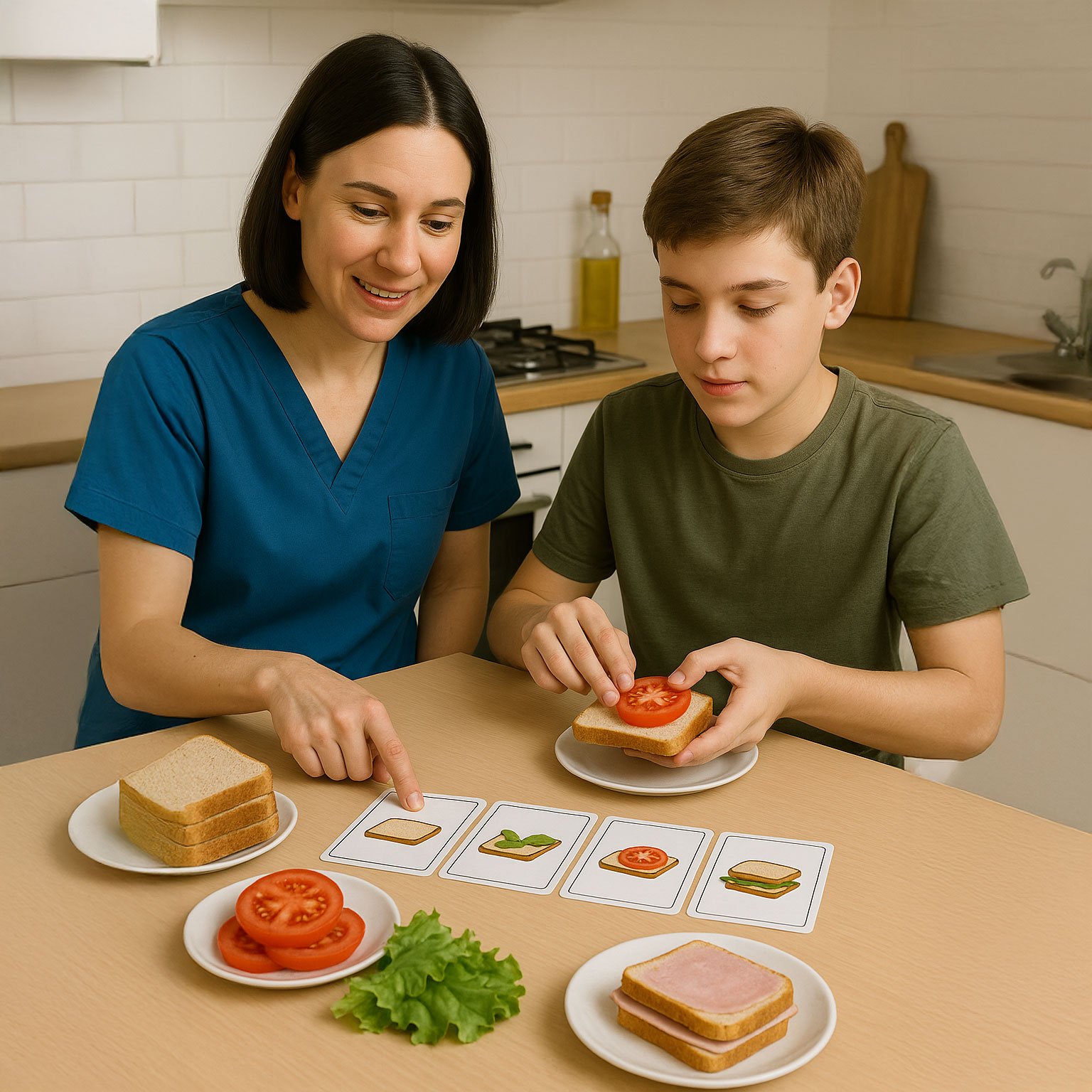
◦ Choose a simple 3-4 step activity such as:
▪ Making a sandwich.
▪ Planting seeds.
▪ Washing hands.
▪ Feeding a pet.
– Encourage participation:
◦ Let the child follow the steps while providing guidance as needed.
- Activity 3: Sequence Worksheets or Board Games
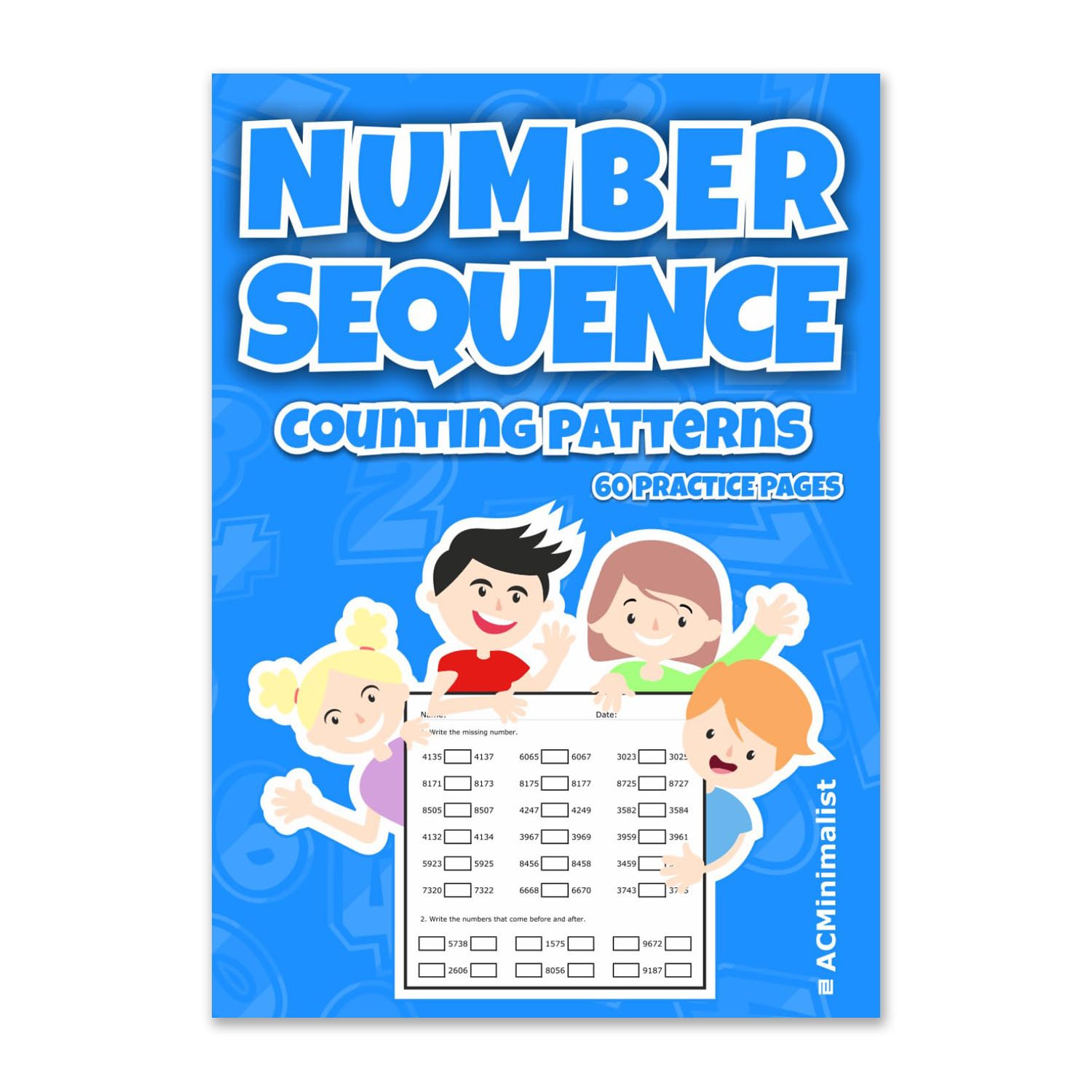
– Use printable worksheets or workbooks:
◦ Provide sequencing worksheets with 1-4 steps to match or arrange.
– Interactive games:
◦ Play sequencing board games or use toys to create fun scenarios.
Tips for Success:
- Make it relatable: Use everyday tasks the child is familiar with.
- Encourage independence: Let the child attempt sequences on their own before stepping in.
- Celebrate success: Praise effort and progress to build confidence.
Have fun exploring sequences and creating new routines together!
Materials Needed:
- Pictures and photographs
- Sequential sized objects favorite snack recipe
- Breakfast or sandwich items
- Free or purchased preschool sequence worksheets
- Board games and “Helper” supervised guidance of household routine