How to Do:
1. Setup:
- Materials Needed:
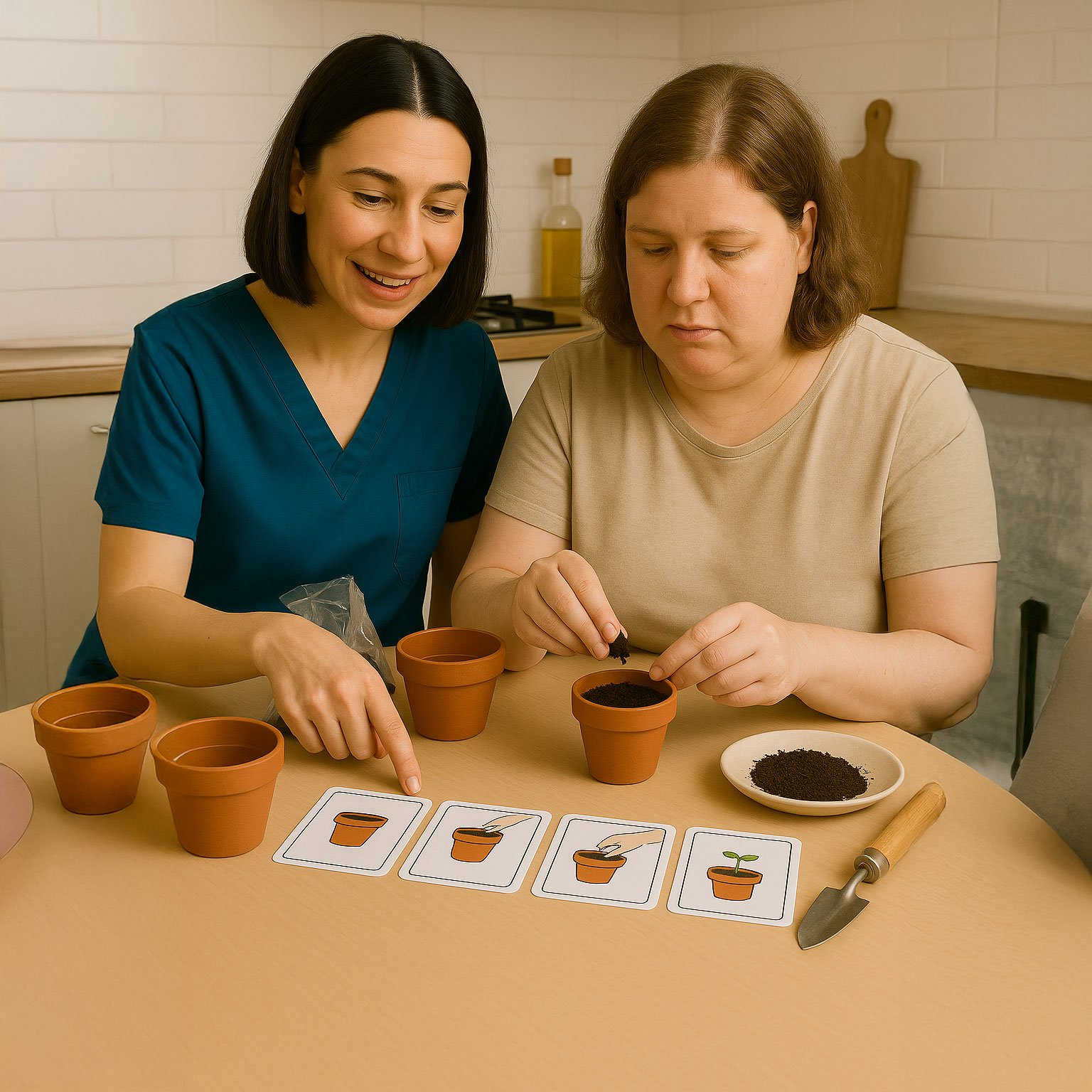
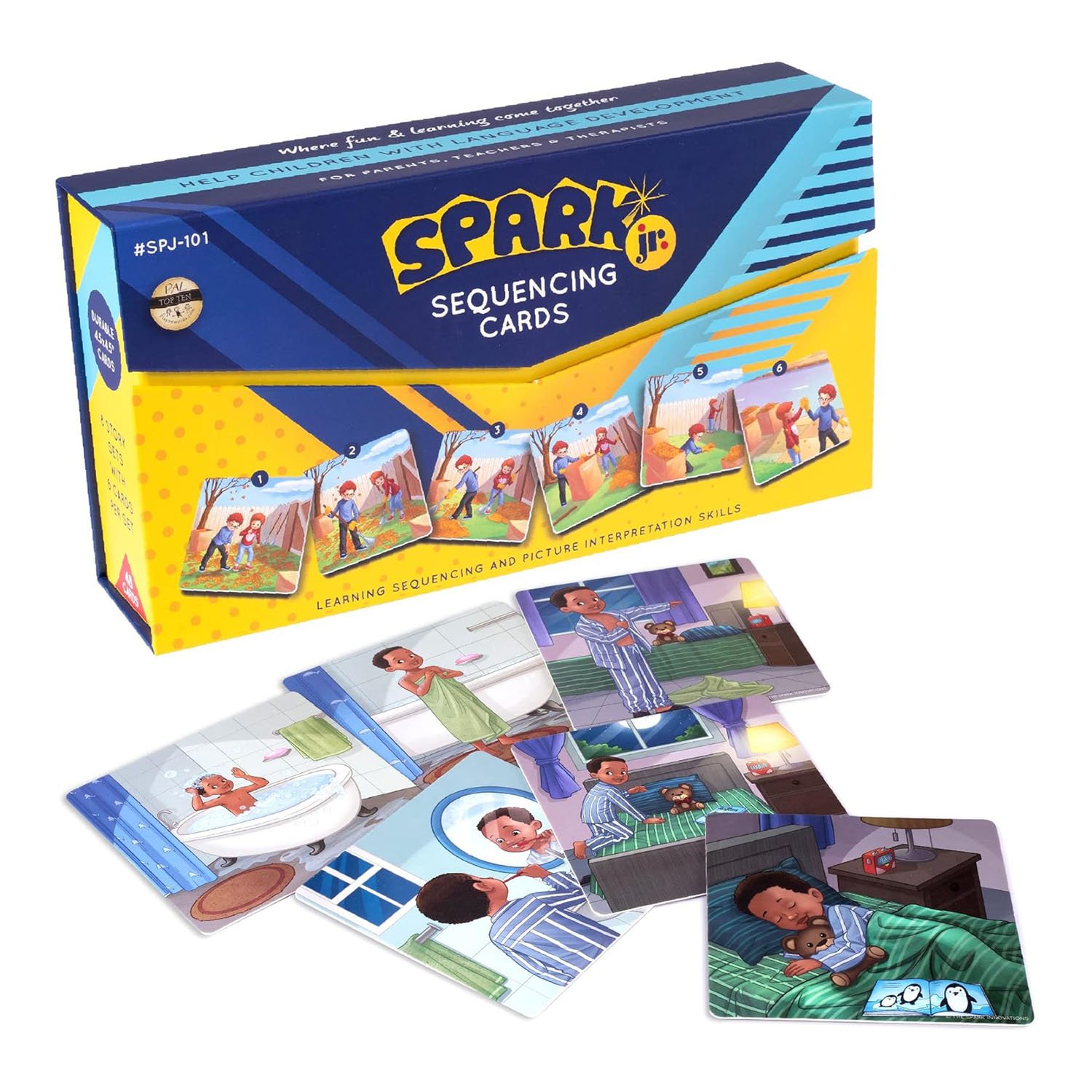
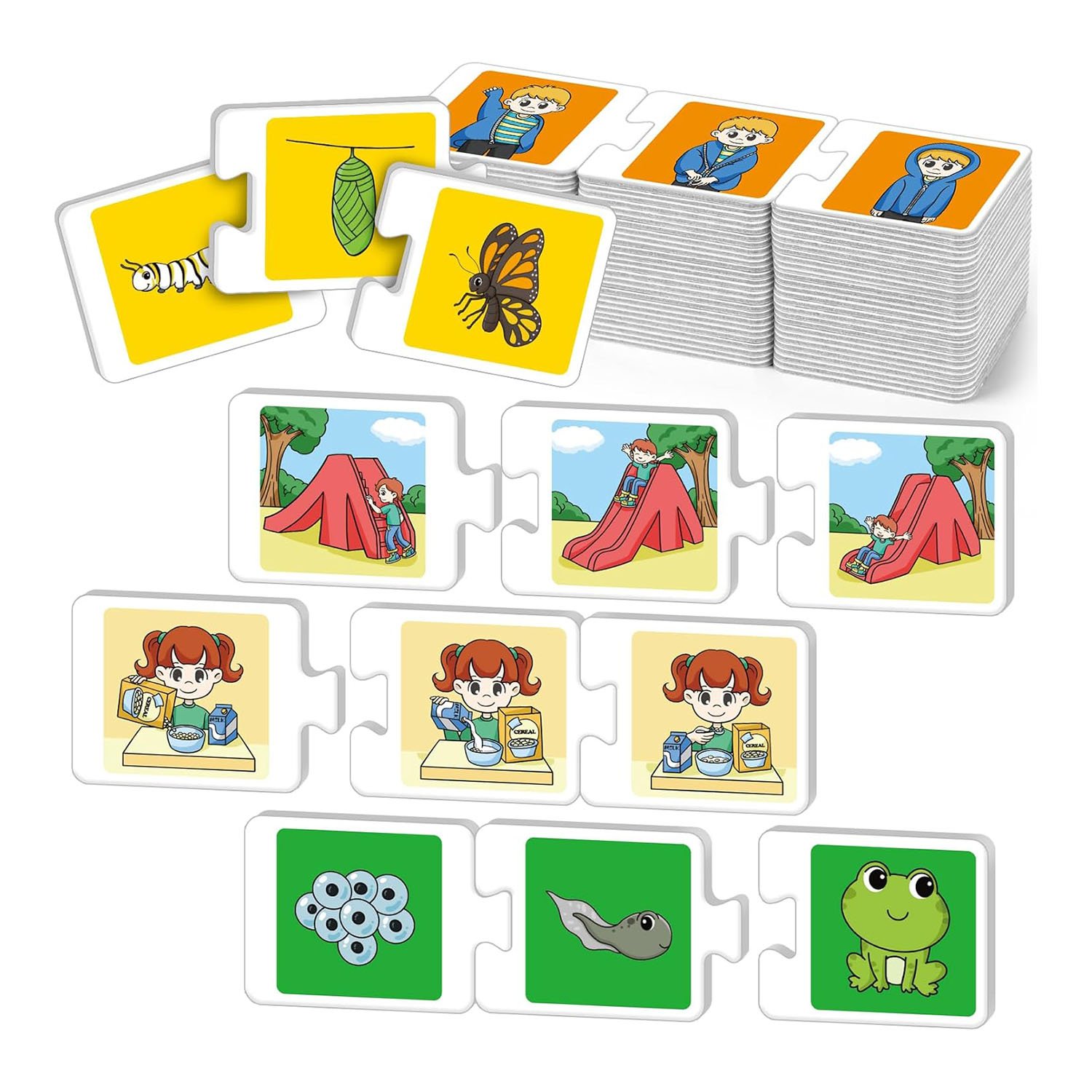
– Pictures/Photographs: Printable or purchased cards depicting 5-6 step sequences of familiar activities.
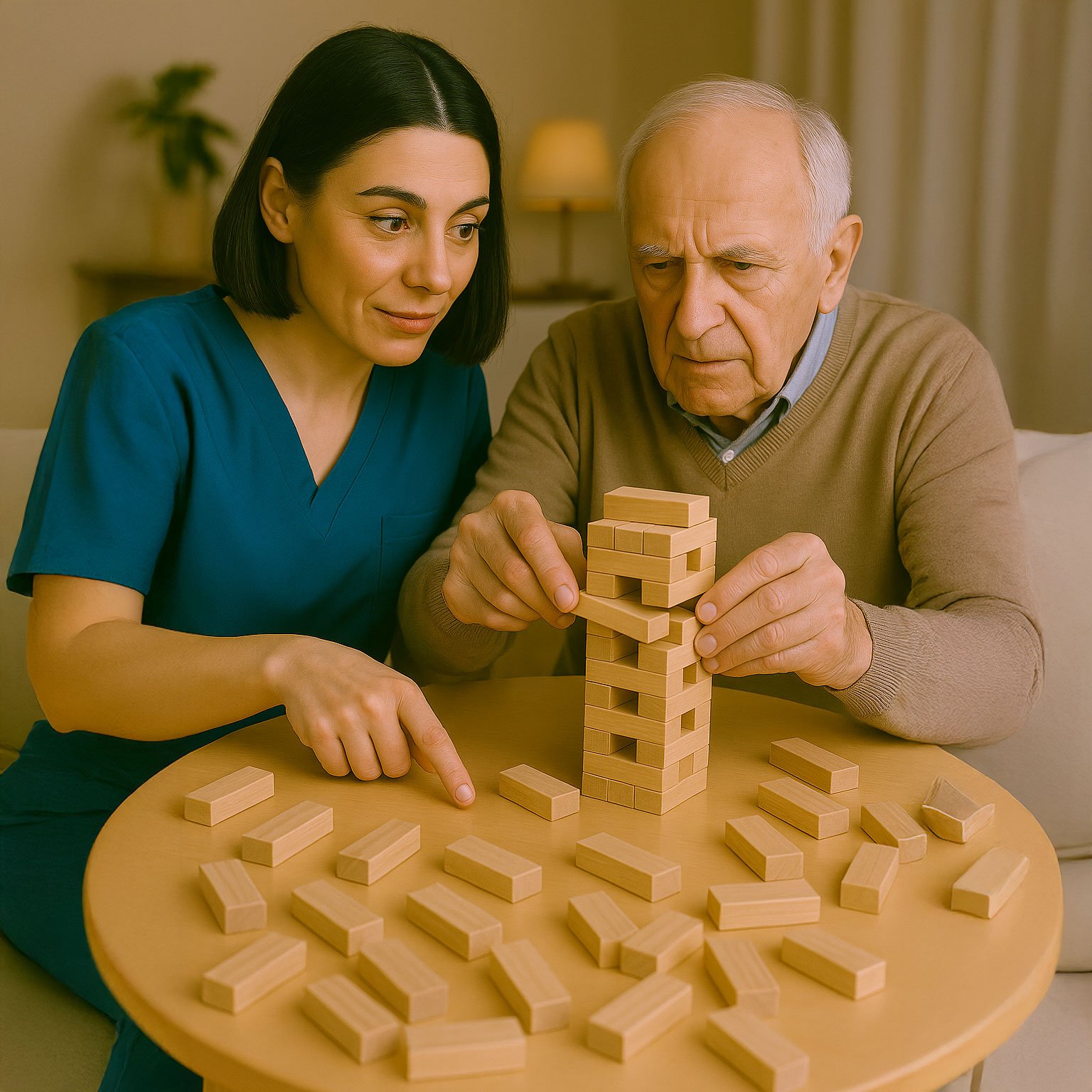
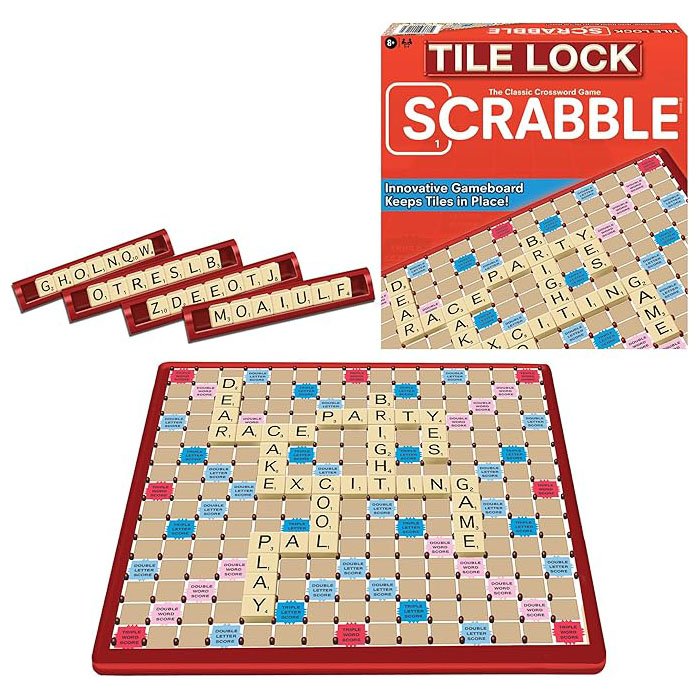
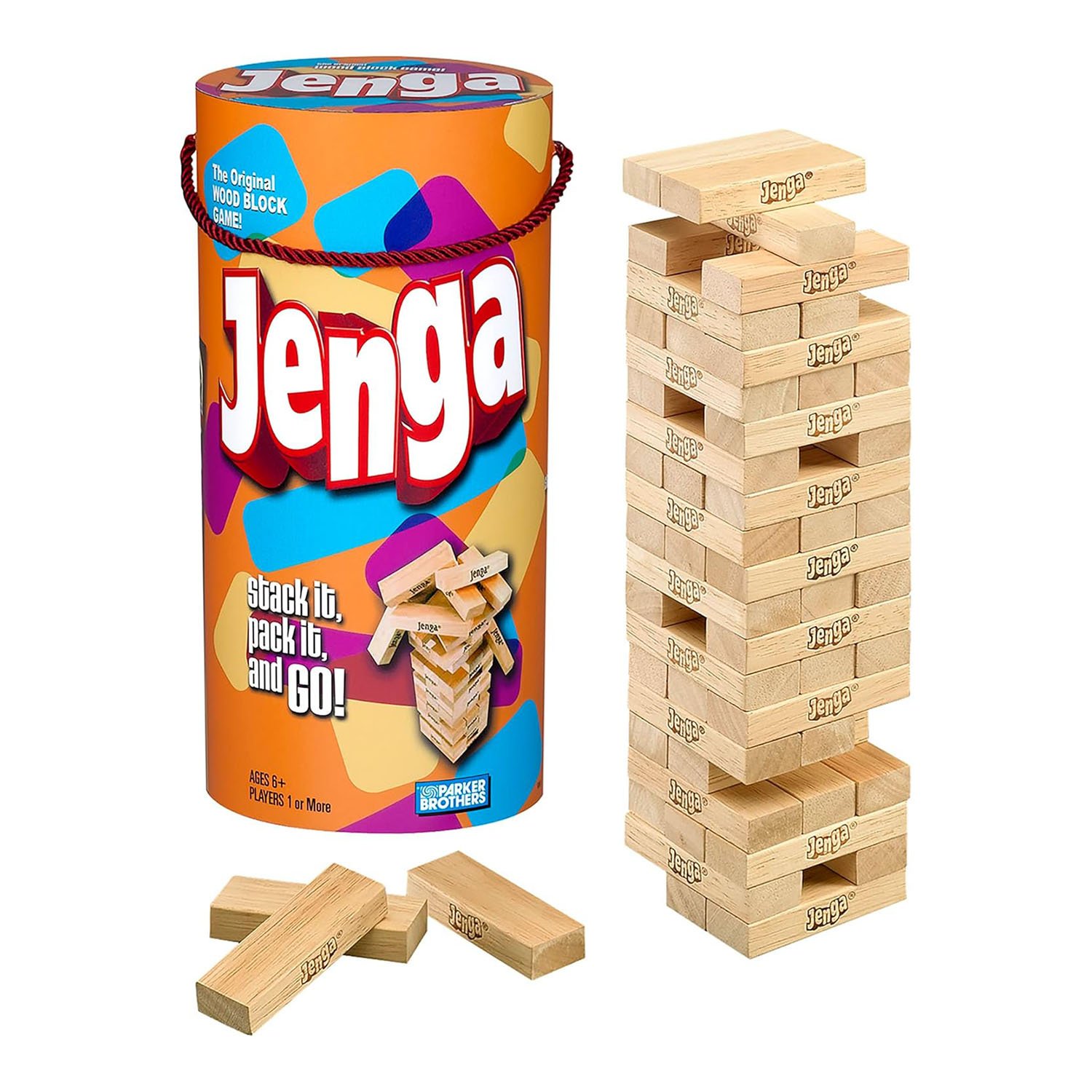
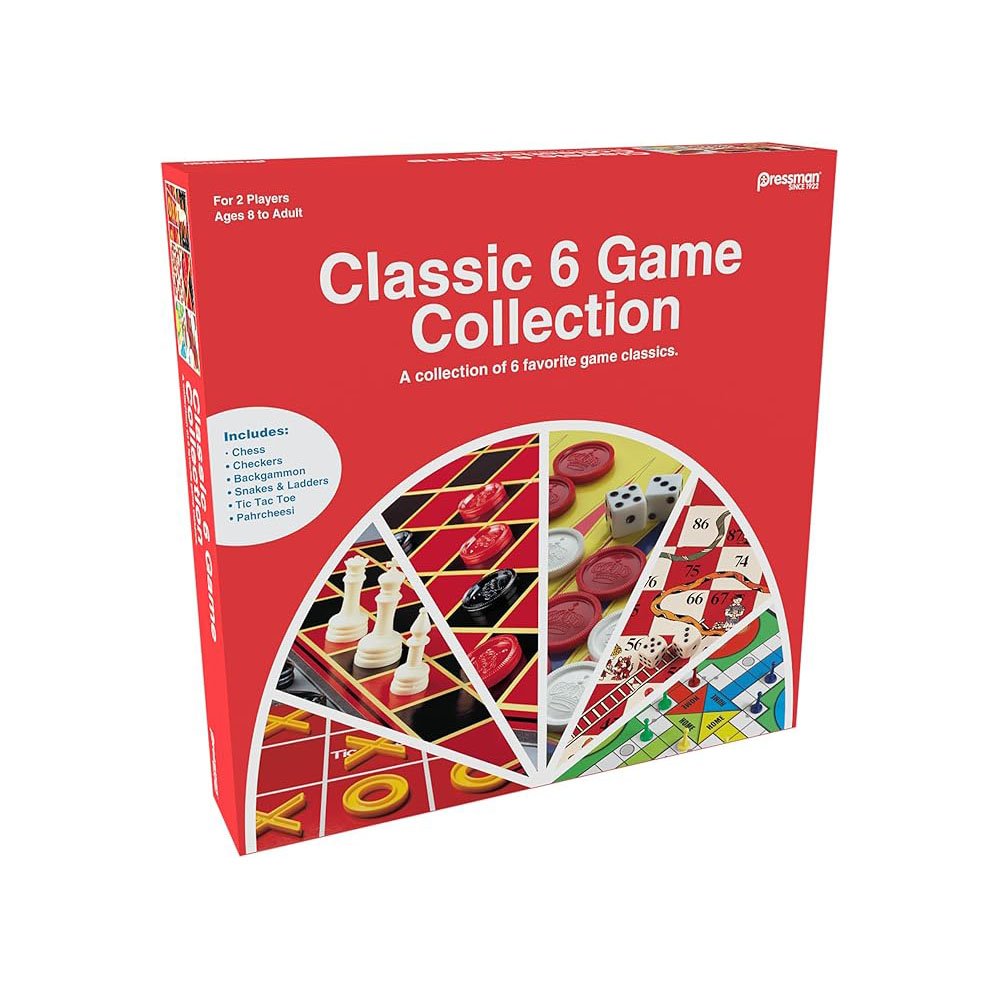
– Board Games: Checkers, Scrabble (large tiles), Jenga, Consequences, Sequence.
– Functional Items: Materials for practical tasks such as planting seeds, making a sandwich, or hygiene routines.
– Optional Tools: Calendar, pencil/pen, or workbook.
- Create a Workspace:
– Provide a quiet, organized area with a table or flat surface for activities.
2. Activity Steps:
- Step 1: Sequence Picture Cards
– Introduce the concept:
◦ Explain the goal of arranging the steps in the correct order.
– Practice with familiar routines:
◦ Example sequences:
▪ Planting Seeds: Fill the pot, add seeds, cover with soil, water, place in sunlight.
▪ Making Coffee/Tea: Boil water, add coffee/tea, pour water, stir, add milk/sugar, serve.
▪ Hygiene Tasks: Wet hands, apply soap, scrub, rinse, dry, moisturize.
– Encourage independence:
◦ Allow the participant to arrange the steps and discuss the logic behind their choices.
- Step 2: Functional Activities
– Hands-on practice:
◦ Engage the participant in real-life tasks like making a bed, preparing scrambled eggs, or organizing a calendar.
– Helper guidance:
◦ Offer verbal or visual cues only as needed to encourage independent thinking.
- Step 3: Board Games for Sequencing
– Interactive play:
◦ Choose games that naturally involve sequencing, such as:
▪ Checkers/Jenga: Plan moves or tower-building in a logical order.
▪ Scrabble: Sequence letters to form words.
▪ Sequence/Consequences: Strategize moves based on patterns or storytelling.
-Adapt difficulty:
◦ Adjust game rules or steps to match the participant’s skill level.
3. Variations for Specific Audiences:
- Beginners:
– Use 3-4 step sequences with simple routines or tasks.
- Advanced Participants:
– Incorporate 5-6 step sequences or complex board games.
• Thematic Play:
– Use seasonal or hobby-related sequences, such as gardening in spring or baking during the holidays.
Tips for Success:
- Engage in discussion: Talk about each step to reinforce memory and comprehension.
- Use positive reinforcement: Celebrate successes to build confidence.
- Keep it fun: Incorporate humor, music, or personal anecdotes to make activities enjoyable.
Enjoy building skills through creative and interactive sequencing activities!
Materials Needed:
- Pictures and photographs of sequences such as 5 step familiar activities (cards can be purchased).
Here are some samples:
– Planting seeds in a pot
– Making a Pizza
– Preparing a cup of coffee or tea
– Making scrambled eggs….
– Making the bed
– Calendar and Pencil/pen
– Hygiene and Grooming Tasks
• Board Games are great activities for sequencing: Checkers, Large Scrabble, Jenga, Consequences board game, Sequence