
How it Works
From Resistance to Readiness
The Sensory Workout Program is a step-by-step method to help the brain regulate, focus, and learn through movement and sensory input.
Each session follows a clear path — from observation to integration — turning neuroscience into daily practice.
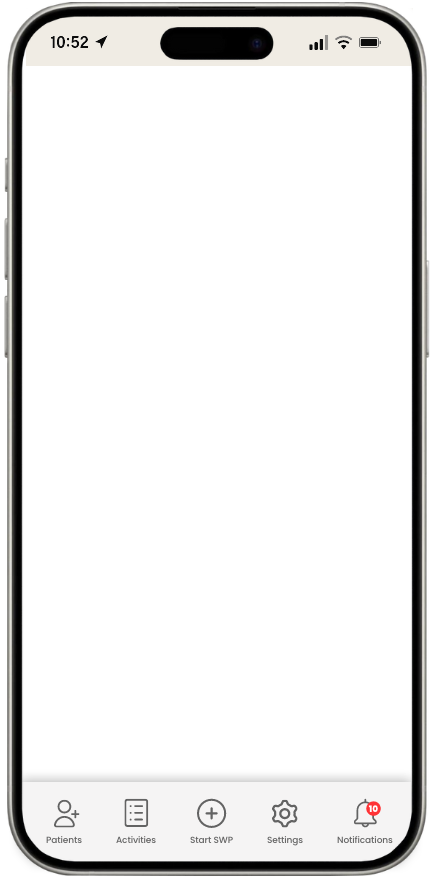
Mouse Over the Screen
Stage 1
Observe & Understand
Every journey starts with observation. Before beginning, caregivers learn to “read” the nervous system by noticing patterns.
Ask yourself:
-
What triggers overwhelm?
-
What calms or engages?
-
Does the person seek movement or avoid touch?
This helps you decide whether to start with Calming or Alerting activities.

Use when the person is overstimulated, anxious, or unable to settle.
Examples:
• Deep pressure (firm hugs, weighted blankets)
• Slow, rhythmic movement (rocking, swinging)
• Gentle sounds (soft music, nature sounds)

Before Activity

After SWP

Use slider above
Use when the person is sluggish, disengaged, or “checked out.”
Examples:
• Fast, unpredictable movement (bouncing, dancing)
• Surprising textures (ice cubes, textured materials)
• Upbeat sounds (clapping, drumming)
This step brings the nervous system to a “just right” state — calm, alert, and ready to engage.

Before Activity

After SWP
Use slider above
Stage 2
Build the Sensory Workout
Once balanced, the workout begins. Each session follows four key components — a complete routine for the brain and body.


Goal: Wake up the senses and prepare the body for action.
Activities: bean bag toss, drumming, animal walks.
Why it matters: builds body awareness and readiness to focus.


Goal: Train the eyes to lead the body.
Activities: tracking bubbles, flashlight games, hidden object searches.
Why it matters: strengthens attention, coordination, and reading skills.


Goal: Integrate movement, vision, and cognition.
Activities: color-sequence jumps, cone-ball games, balance challenges.
Why it matters: turns new brain connections into functional skills through whole-body play.
Stage 3
Follow-Up Activities
This final, targeted task primes the now-regulated brain for whatever comes next in the day. You strategically choose an activity to target either logical or creative thinking.
Right-Brain Activities develops CREATIVITY to help:
– Solve problems in new ways.
– Generate new ideas and think outside the box.
– Engage in imaginative and creative play.
– Understand emotions and empathize.
– See the big picture and make connections.


Left-Brain Activities develops FOCUS to help:
– Improve concentration on detailed tasks.
– Follow complex instructions precisely.
– Enhance logical thinking and analysis.
– Boost memory for facts and sequences.
– Promote calm and organized thinking.


Repeat & Grow
Every session builds calm, connection, and confidence.
Like any training, change comes with consistency.
Each repetition strengthens new neural pathways while old, unhelpful patterns fade away.
Over time, regulation becomes second nature — the brain learns new ways to stay balanced and engaged.
