How to Do:
1. Setup:
- Set up a clean, safe space on the floor or a low table where the child can sit comfortably.
- Organize materials into separate trays or containers for easy access.
2. Activity Steps:
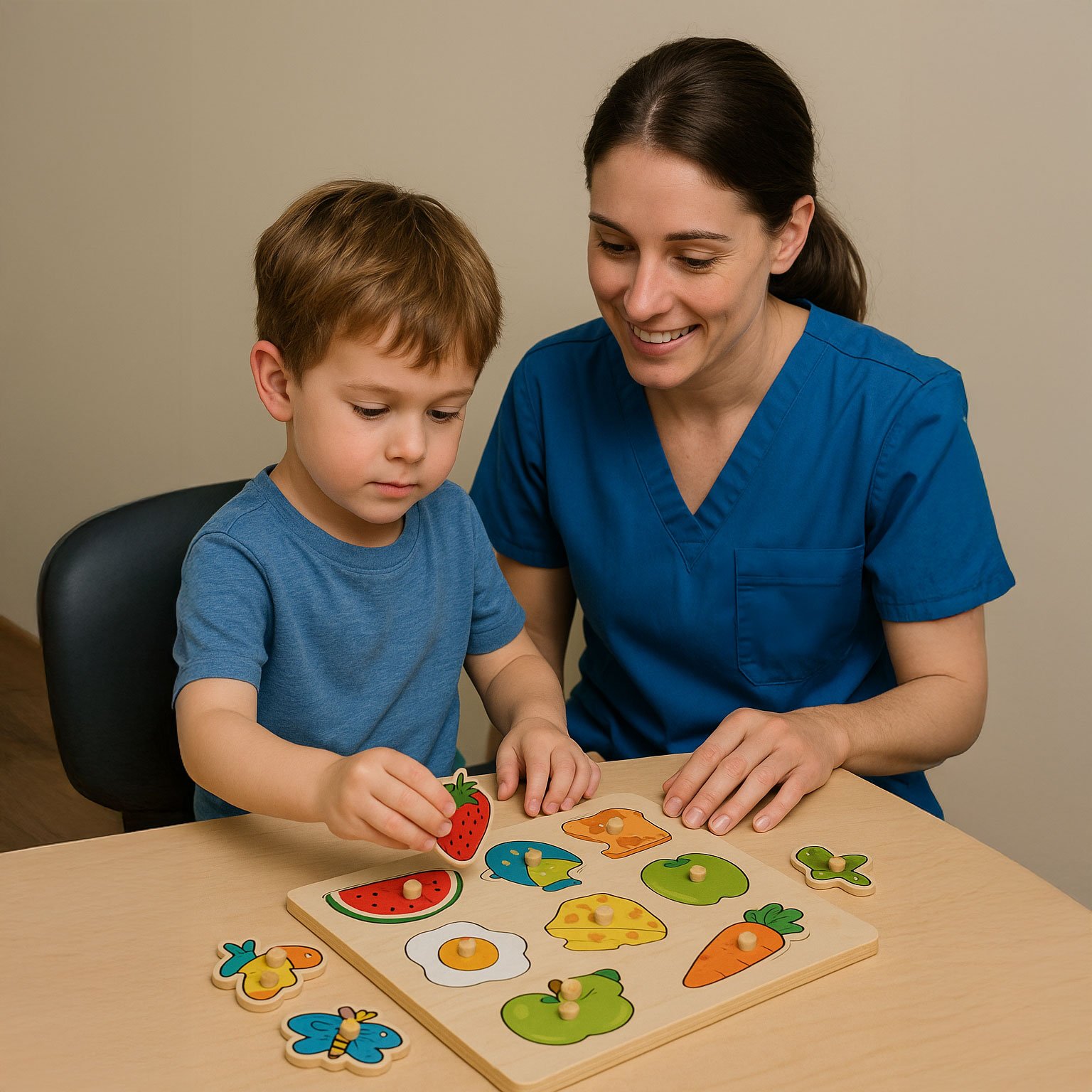
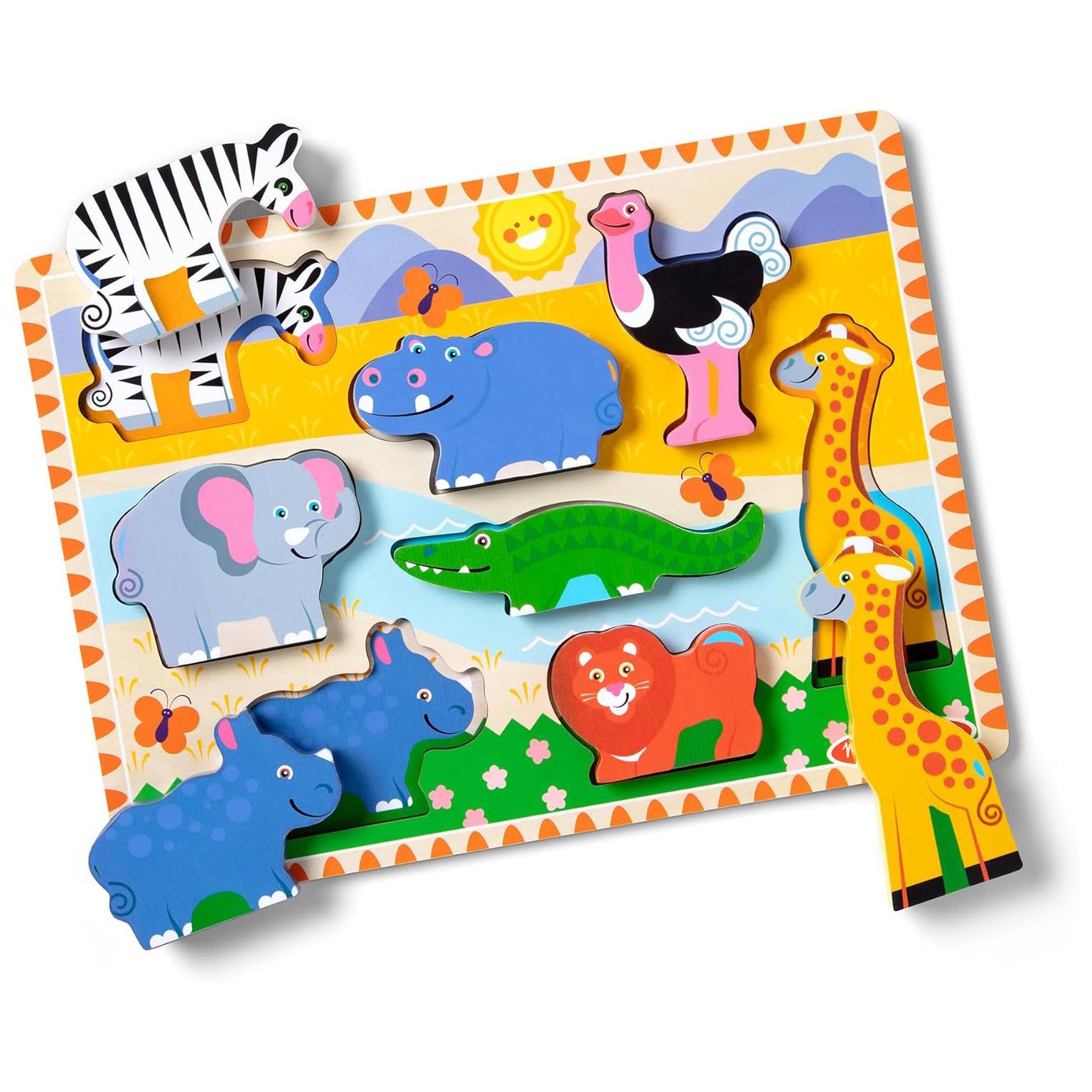
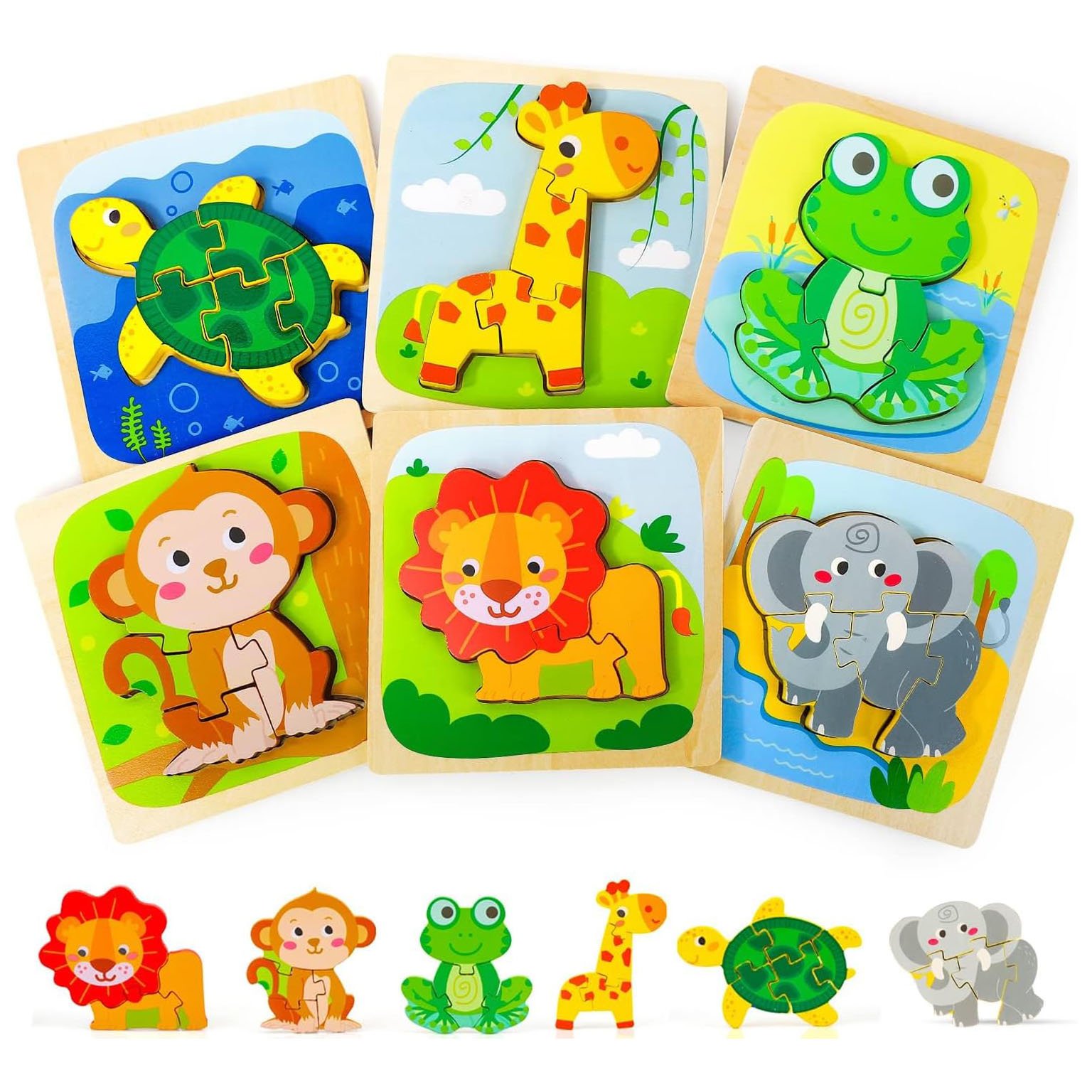
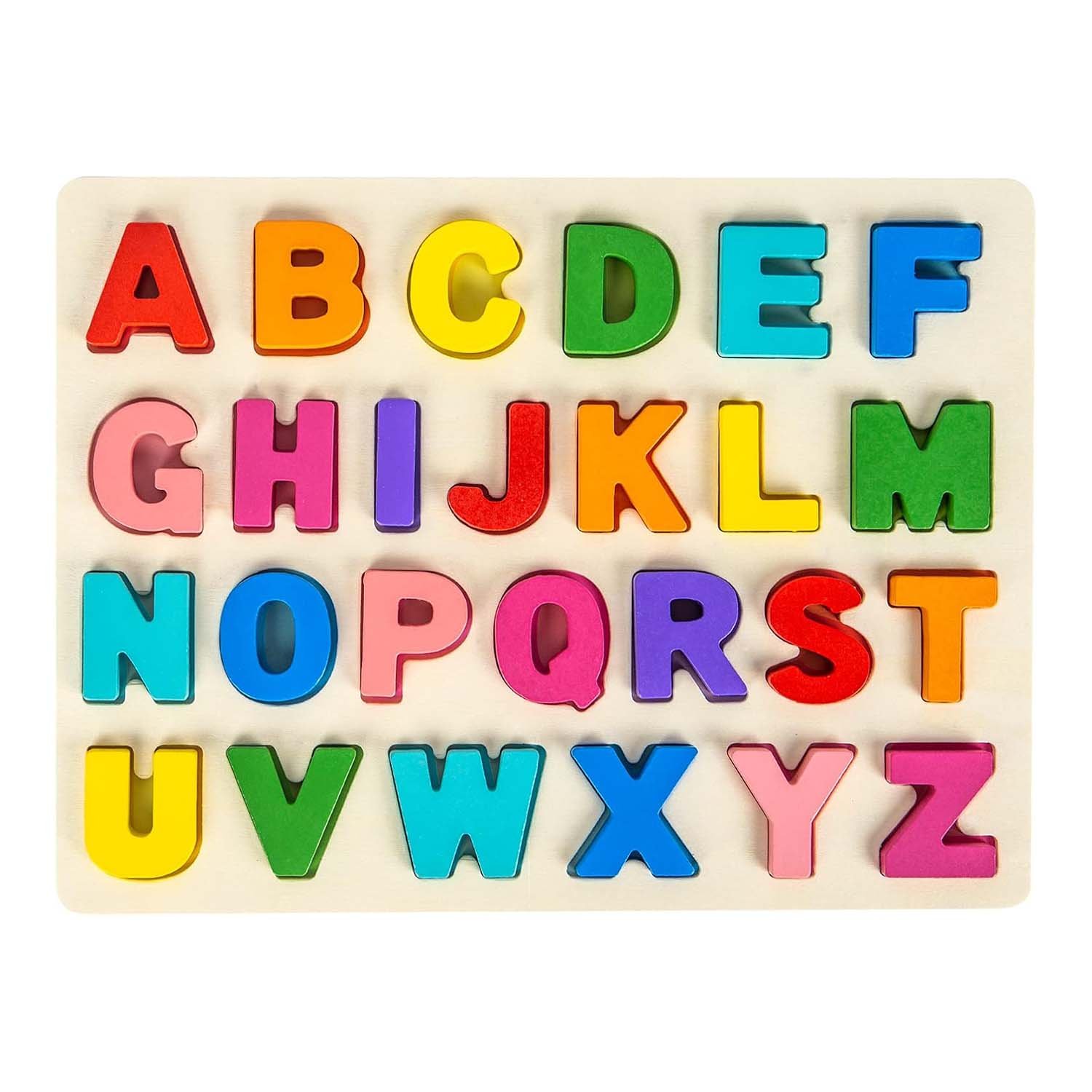
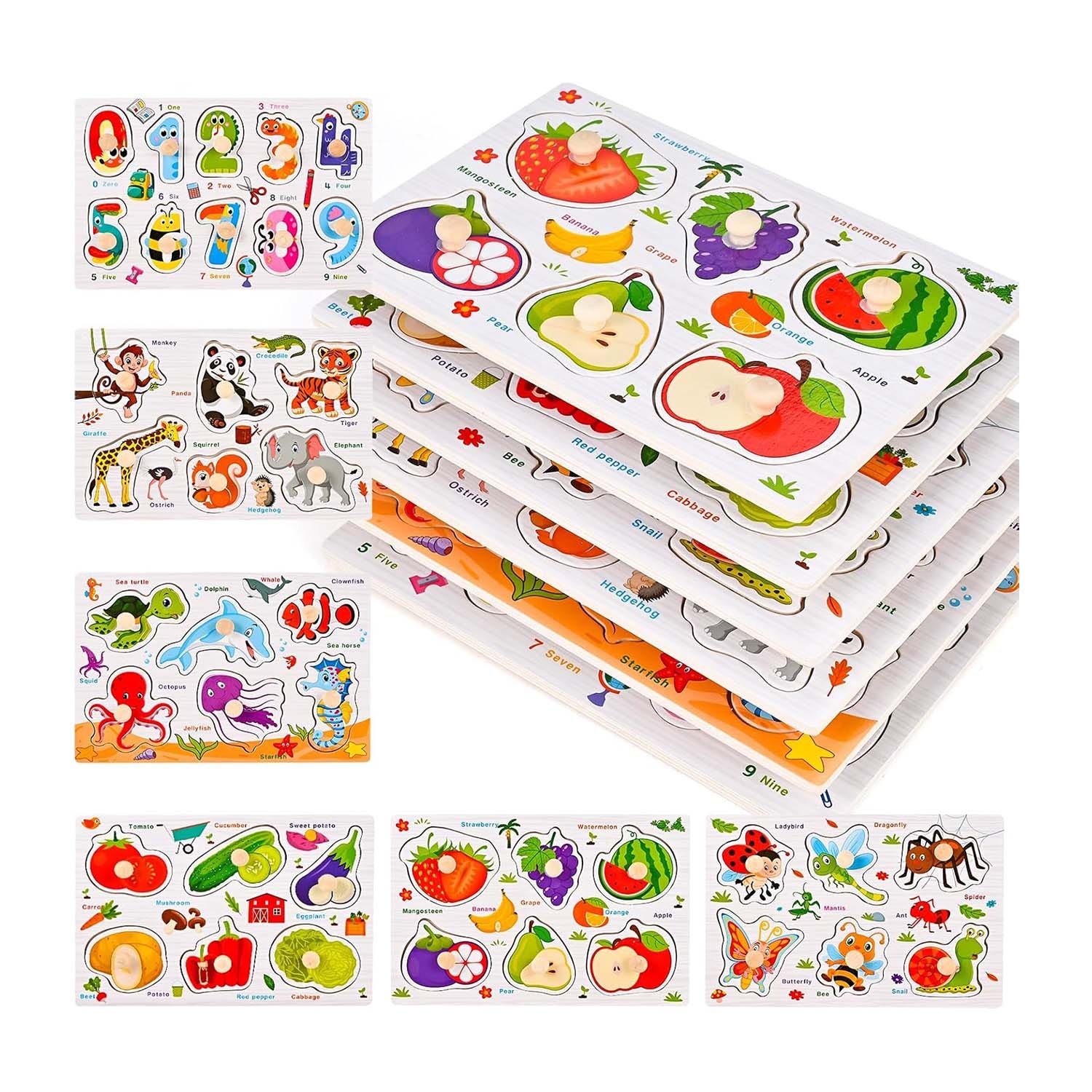
- Step 1: Puzzle Play
– Introduce the Puzzle:
◦ Choose a puzzle that matches the child’s skill level (e.g., fewer pieces for beginners).
◦ Demonstrate how to match the pieces to their slots or shapes.
– Encourage Interaction:
◦ Allow the child to explore and solve the puzzle independently, offering guidance as needed.
– Progression:
◦ Start with simple puzzles (e.g., animal or food shapes) and gradually move to more complex ones (e.g., letters or numbers).
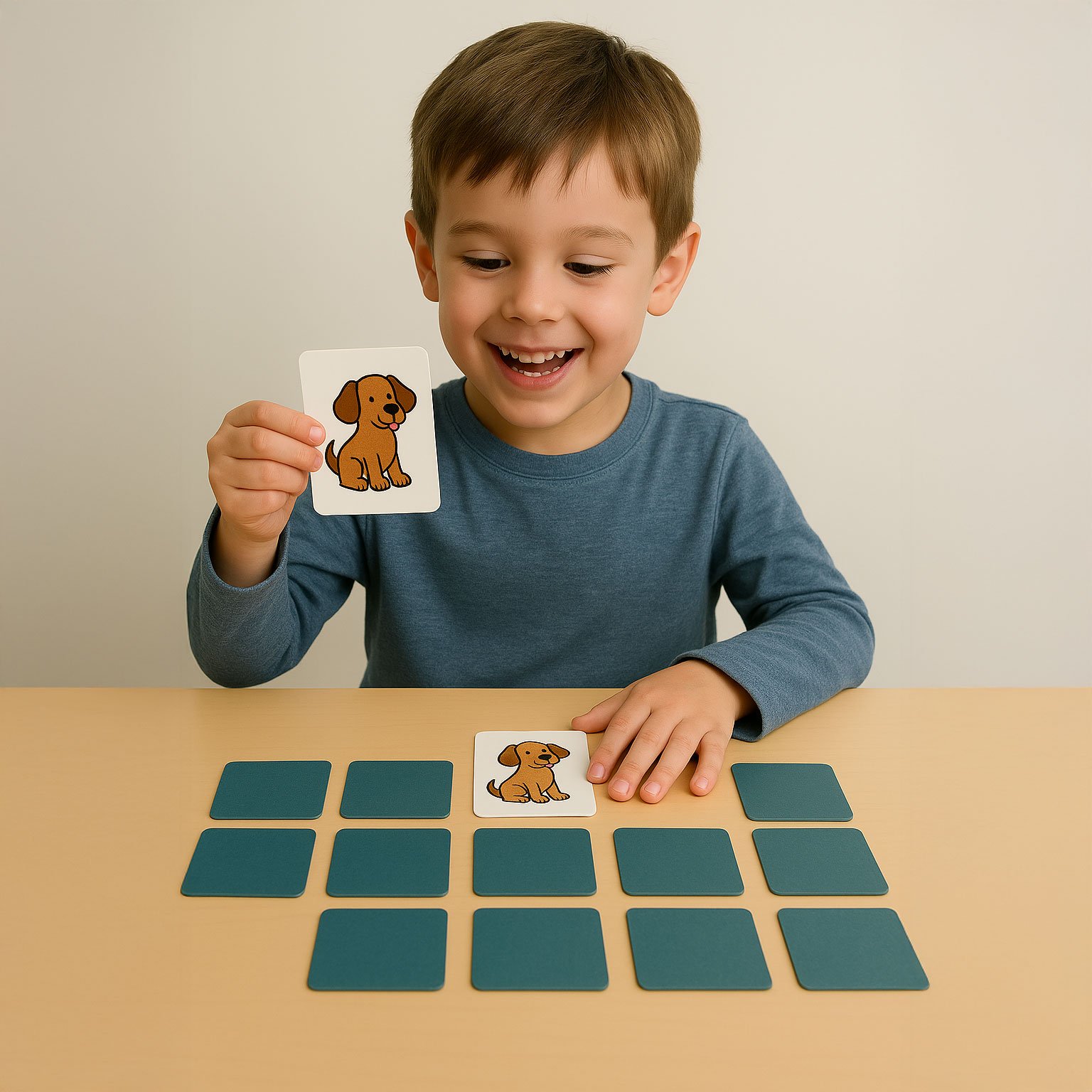
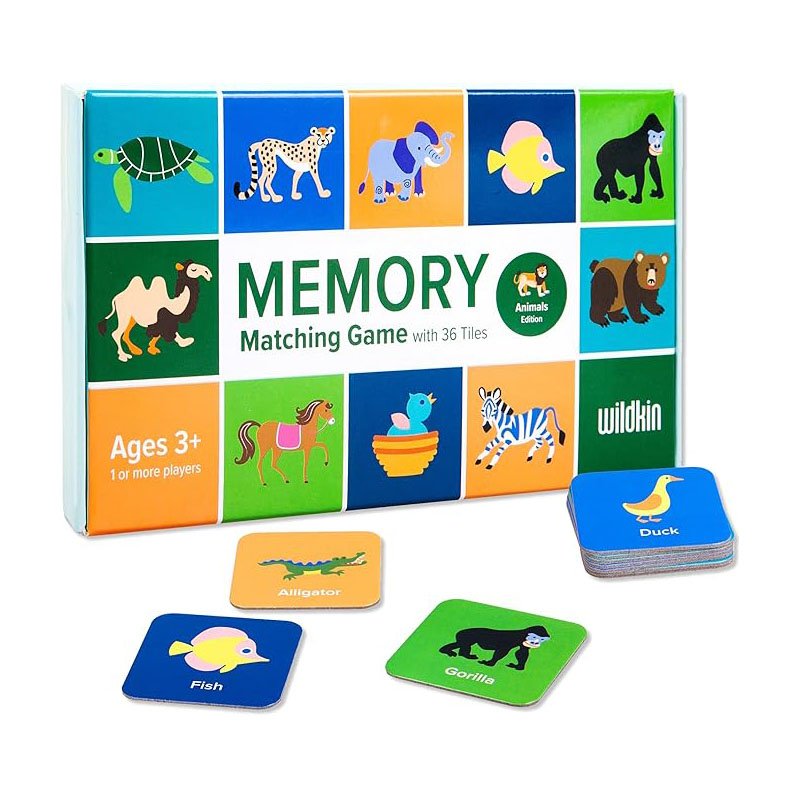
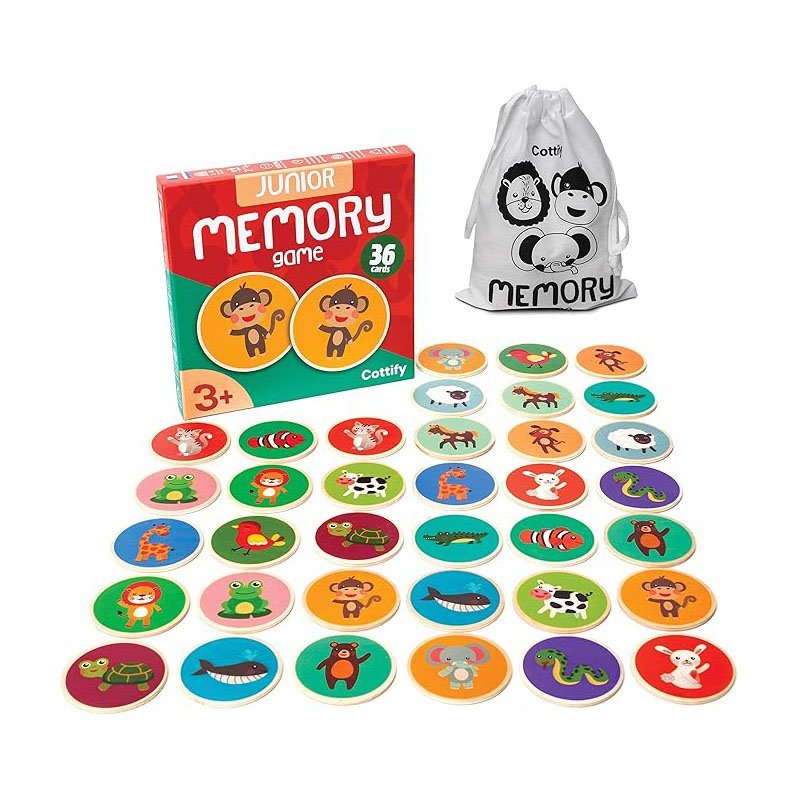
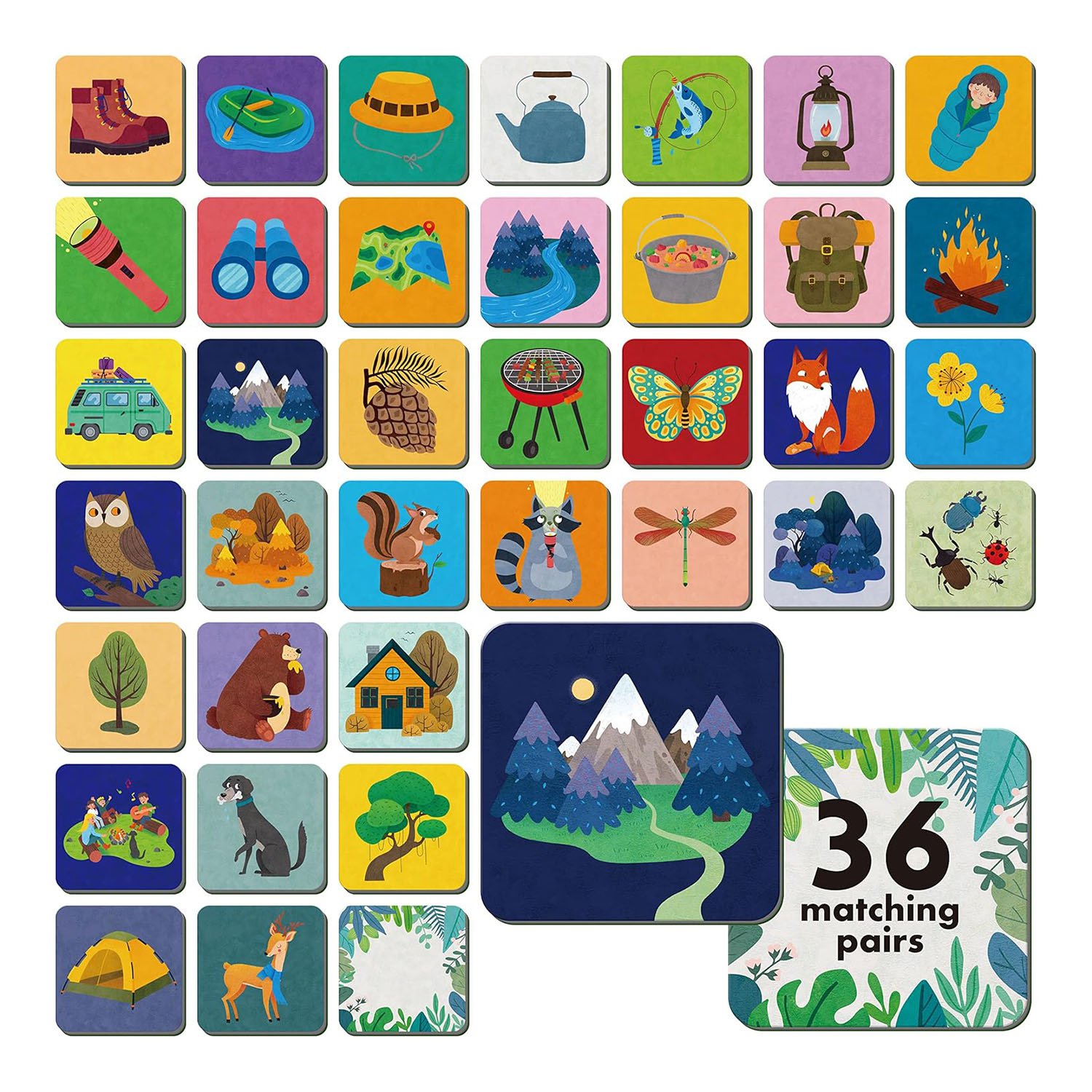
- Step 2: Matching Games
– Set Up Matching Cards or Objects:
◦ Lay out a set of cards or objects with matching pairs (e.g., colors, shapes, animals).
– Engage the Child:
◦ Ask the child to find matching pairs, naming the items as they go.
◦ Play games like “Memory” by flipping cards over and taking turns finding matches.
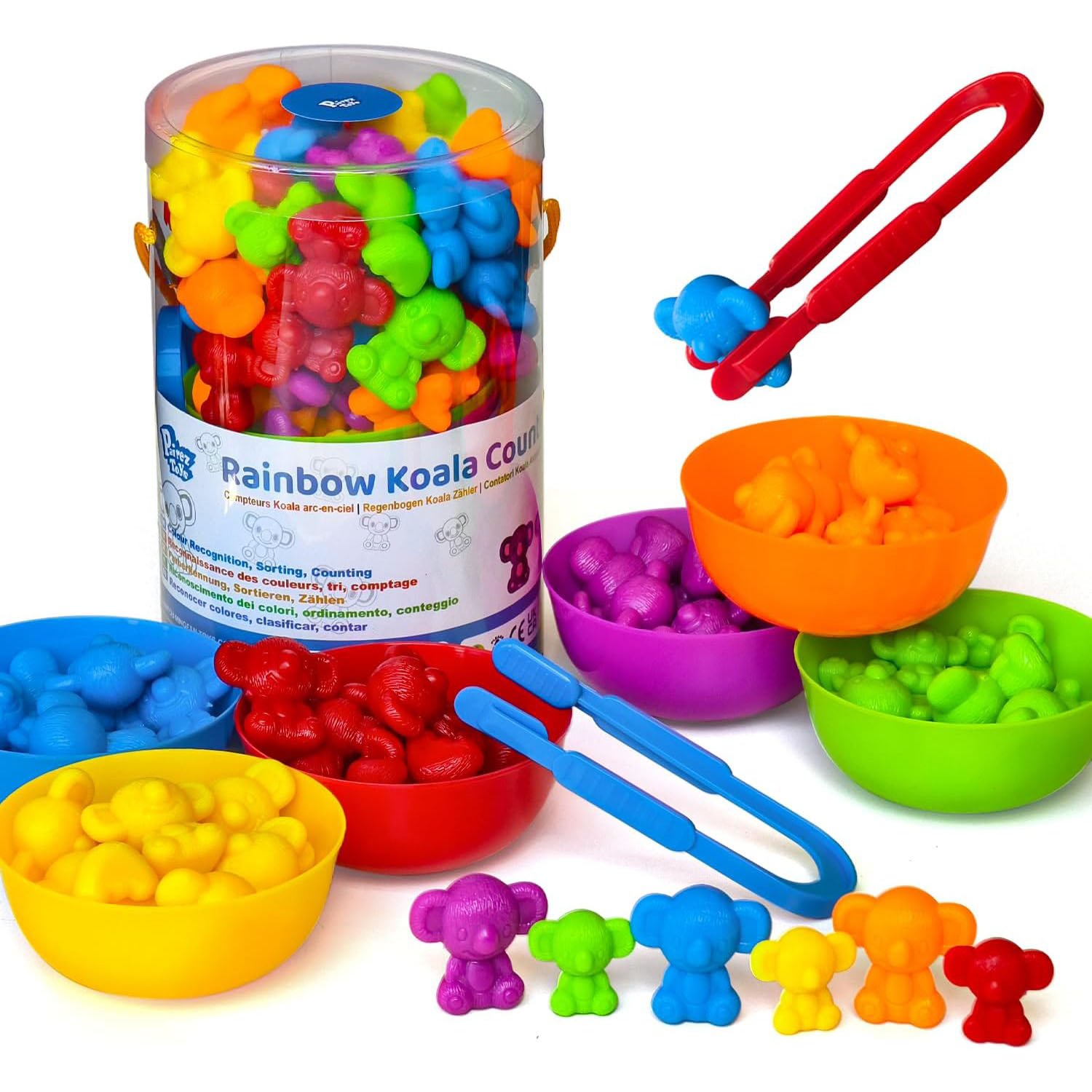
- Step 3: Sorting and Counting Manipulatives
– Sorting Game:
◦ Provide colorful manipulatives (e.g., blocks, beads, or shapes).
◦ Encourage the child to sort by color, shape, or size.
– Counting Activity:
◦ Count the items together, reinforcing number recognition.
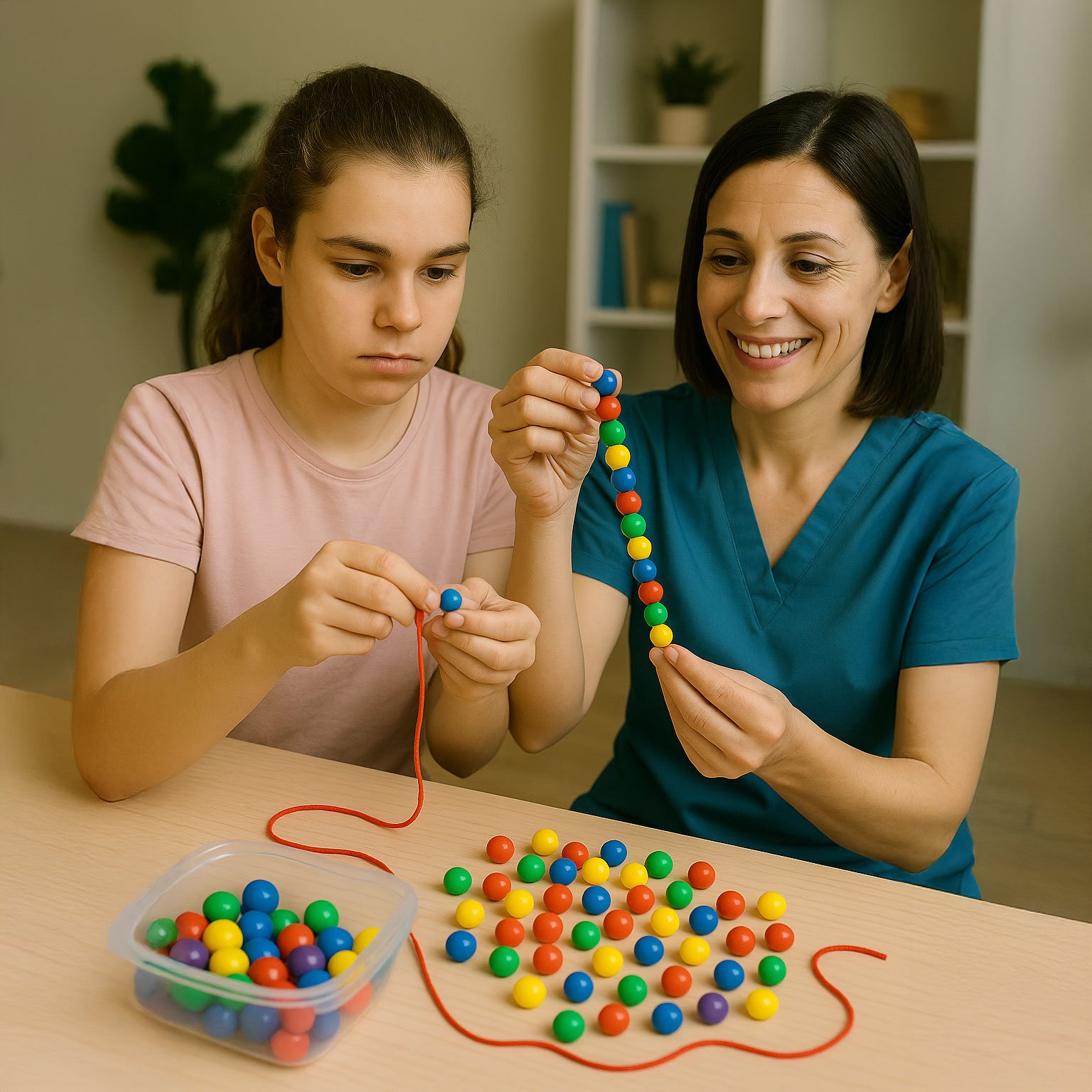
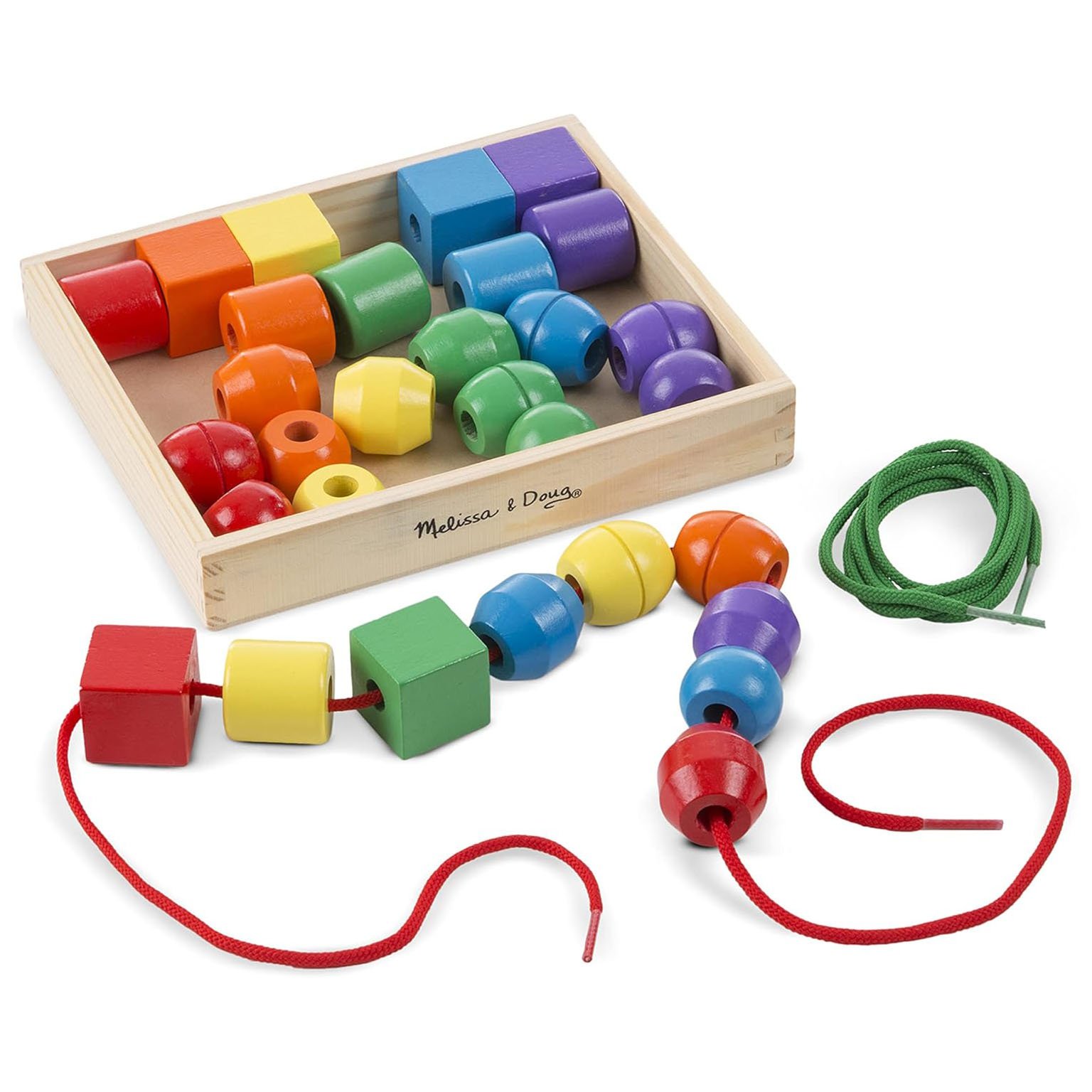
- Step 4: Beading and Stringing
– Threading Beads:
◦ Offer large, colorful beads and strings.
◦ Show the child how to thread beads, creating patterns or matching colors.
– Challenge:
◦ Ask the child to replicate a simple pattern you create.
3. Variations for Specific Skill Levels:
- Beginners: Focus on puzzles with larger, fewer pieces and simple matching games.
- Advanced Learners: Use puzzles with smaller, more detailed pieces and introduce patterns in beading.
- Thematic Play: Incorporate seasonal or interest-based puzzles (e.g., holiday themes, animals).
Tips for Success:
- Be Patient: Allow the child time to explore and solve independently.
- Encourage Verbal Interaction: Name items and shapes to reinforce vocabulary.
- Celebrate Achievements: Praise efforts to build confidence and motivation.
Have fun exploring, solving, and learning through puzzles and matching games!
Materials Needed:
- Wooden number/letter games
- Wooden food and animal play puzzles
- Counting manipulatives/large beading
- Matching games